

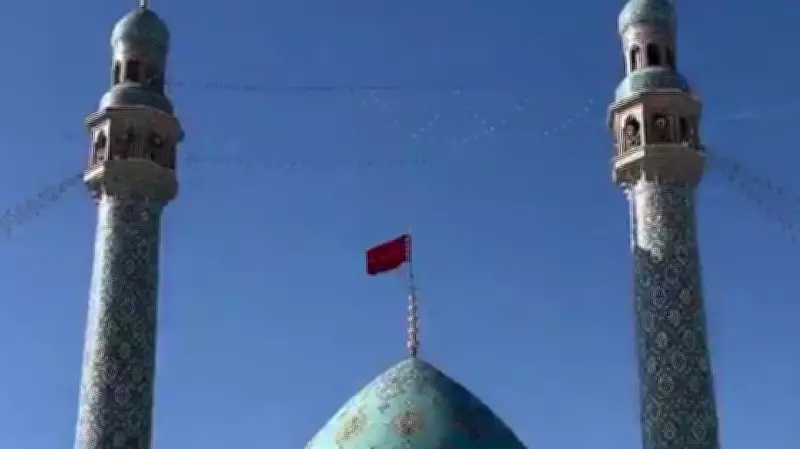
Iran Raises Red Flag Over Jamkaran Mosque in Symbolic Revenge Gesture After Khamenei's Death
In a dramatic and symbolic move, Iran has raised a red flag over the dome of the Jamkaran Mosque in the holy city of Qom. This powerful gesture is widely interpreted as a signal of retaliation following the sudden death of Supreme Leader Ayatollah Ali Khamenei. The red flag, traditionally associated with revenge and martyrdom in Shia Islam, was hoisted in a clear message to both domestic and international audiences.
Mixed Reactions Across Iran Expose Deep Societal Fault Lines
The nation of Iran finds itself in a state of profound shock and division following the demise of its long-ruling leader. Ayatollah Ali Khamenei, who held the position of Supreme Leader for an uninterrupted 36 years, passed away, leaving a significant power vacuum. Reports from across the country reveal a stark contrast in public sentiment.
While many citizens are observed grieving openly, expressing deep sorrow and mourning the loss of their spiritual and political guide, others have reportedly engaged in celebrations. This polarization highlights the deep and complex fault lines within Iranian society, exposing underlying tensions that have simmered during Khamenei's lengthy tenure.

Understanding the Significance of the Red Flag at Jamkaran Mosque
The Jamkaran Mosque, located near Qom, is one of the most significant Shia pilgrimage sites in Iran. The act of raising a red flag over its dome carries immense religious and political weight.
- Historical and Religious Symbolism: In Shia tradition, a red flag is a potent symbol of vengeance for injustice and martyrdom, often linked to the Battle of Karbala.
- Political Messaging: The gesture serves as an unambiguous declaration from the Iranian establishment, indicating a firm intent to seek retribution for Khamenei's death, the circumstances of which remain officially undisclosed.
- Domestic Consolidation: It acts as a rallying cry for Khamenei's supporters, aiming to unify loyalist factions during a period of potential instability and leadership transition.
The visual of the red flag against the mosque's architecture has been widely circulated on social media platforms, amplifying its impact and sparking intense global discussion about Iran's next steps.
A Nation at a Crossroads: Leadership Void and Future Uncertainty
The death of Ayatollah Ali Khamenei marks the end of a defining era in modern Iranian history. His 36-year rule shaped the country's domestic policies and its stance on the international stage. The immediate raising of the revenge flag suggests that the existing power structures are moving swiftly to project strength and continuity.
However, the visible public divide—between those mourning and those celebrating—poses a significant challenge to national unity. Analysts are closely watching how the Iranian government and the Assembly of Experts will manage the critical process of selecting a new Supreme Leader, a decision that will undoubtedly influence the Middle East's geopolitical landscape.
This event underscores the volatile and unpredictable nature of politics in the region, with the symbolic act at Jamkaran Mosque serving as a stark reminder of the deep-seated ideologies and emotions at play.






