

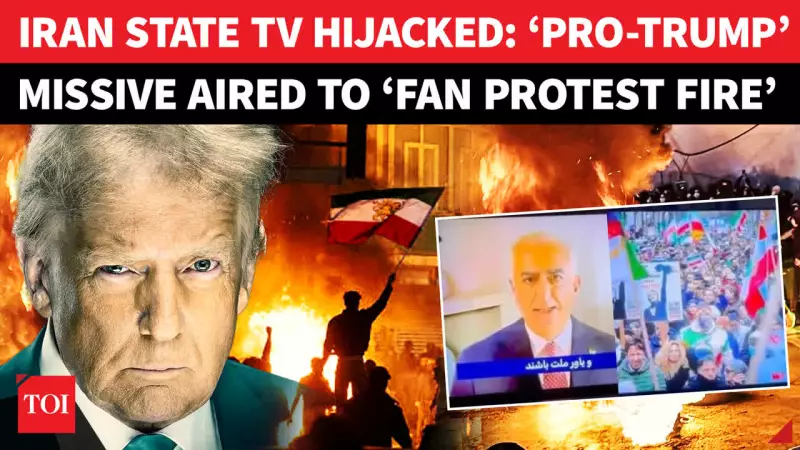
In a stunning breach of Iran's tightly controlled media landscape, state television broadcasts were briefly hijacked on January 19, 2026. Anti-regime activists successfully hacked a satellite feed, allowing opposition messages to air nationwide during the morning hours.
Unprecedented Broadcast Interruption
The technical intrusion enabled protest footage and calls for continued demonstrations to appear on multiple Iranian state channels. Viewers across the country saw previously suppressed images of unrest alongside appeals directed at Iran's security forces.
Reza Pahlavi's Message Airs
Most significantly, the hacked broadcast featured a speech by exiled Crown Prince Reza Pahlavi. The opposition figure's message reached Iranian households through the very state media apparatus that normally blocks such content.

Authorities managed to restore control over the broadcasts after a brief period, but the technical breach had already accomplished its purpose. The interruption lasted long enough to deliver the opposition's message to a national audience.
Growing Pressure on Information Controls
This unprecedented media breach highlights increasing challenges to Tehran's information management systems. As unrest continues simmering across Iran, activists are finding new ways to circumvent state censorship.
The successful satellite feed hack demonstrates sophisticated technical capabilities among opposition groups. It represents a significant escalation in the ongoing information war between the Iranian government and its critics.
Security analysts note that such breaches undermine state media's credibility while providing opposition voices with rare direct access to the Iranian public. The incident occurred during a period of heightened tensions and nationwide protests.
Implications for Media Security
The breach raises serious questions about the security of state broadcasting infrastructure. Iranian authorities will likely implement additional safeguards to prevent similar incidents in the future.
Meanwhile, opposition groups have demonstrated their ability to temporarily bypass Iran's extensive media controls. This technical achievement may inspire similar attempts by activists seeking to challenge government narratives.
The incident serves as a reminder that information warfare has become a key battleground in Iran's political conflicts. Both sides recognize the power of controlling what citizens see and hear through their television screens.






