Iranian Aggression Escalates with Coordinated Strikes Across Gulf Nations
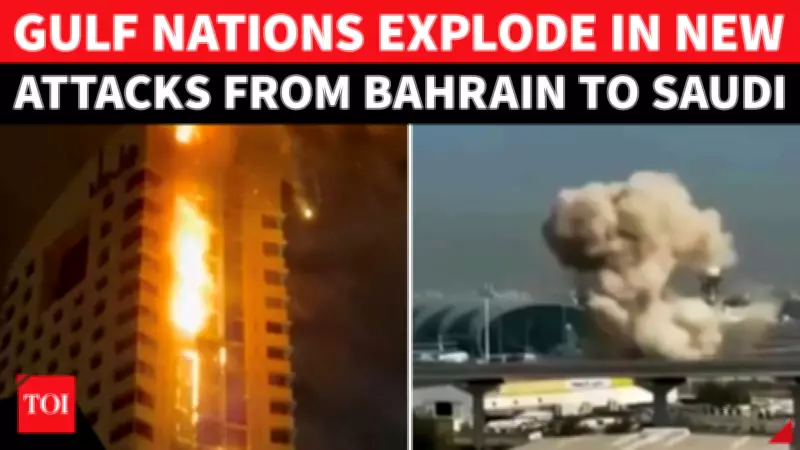
In a significant escalation of regional hostilities, multiple Gulf nations came under attack in what authorities are describing as a coordinated Iranian offensive. The most severe incident occurred in Bahrain's capital, Manama, where a residential building was struck, resulting in one fatality and multiple injuries.
Deadly Attack in Bahrain's Capital
Bahrain's Interior Ministry confirmed that a 29-year-old woman was killed and eight other individuals sustained injuries when an attack targeted a residential structure in Manama. Officials have characterized this incident as "a blatant act of Iranian aggression" against Bahraini sovereignty and civilian safety.
Additional reports from the region indicate that a drone strike targeted a hotel accommodating United States personnel, while explosions were reported in proximity to the strategic US Navy Fifth Fleet base located in Bahrain. Since the onset of the current conflict, Bahraini authorities state they have successfully intercepted more than 100 missiles and 171 drones originating from Iran.

Saudi Arabia and Kuwait Face Simultaneous Threats
Meanwhile, neighboring Saudi Arabia reported that its defense systems destroyed a ballistic missile and neutralized two drones in the eastern region of the kingdom. This indicates a broader pattern of Iranian strikes across multiple Gulf Cooperation Council (GCC) member states.
Kuwait also faced security threats, with reports suggesting that Iranian proxy forces managed to breach air defense systems, allegedly striking America's Al Salem base within Kuwaiti territory. These coordinated attacks highlight the expanding geographical scope of the conflict and the sophisticated nature of the offensive operations.
Regional Implications and Security Concerns
The simultaneous attacks on Bahrain, Saudi Arabia, and Kuwait represent a significant intensification of tensions in the Persian Gulf region. The targeting of residential areas, military installations, and facilities housing international personnel underscores the multifaceted nature of the security threat.
Security analysts note that these developments occur against a backdrop of heightened regional instability, with implications for international shipping lanes, energy security, and diplomatic relations. The involvement of US military assets and personnel further complicates the geopolitical landscape, potentially drawing external powers more deeply into the conflict.
Defense authorities across the affected nations have heightened alert levels and are coordinating response measures. The international community is closely monitoring the situation, with concerns growing about the potential for further escalation and the humanitarian impact on civilian populations in the region.