

Direct Communication Channel Established
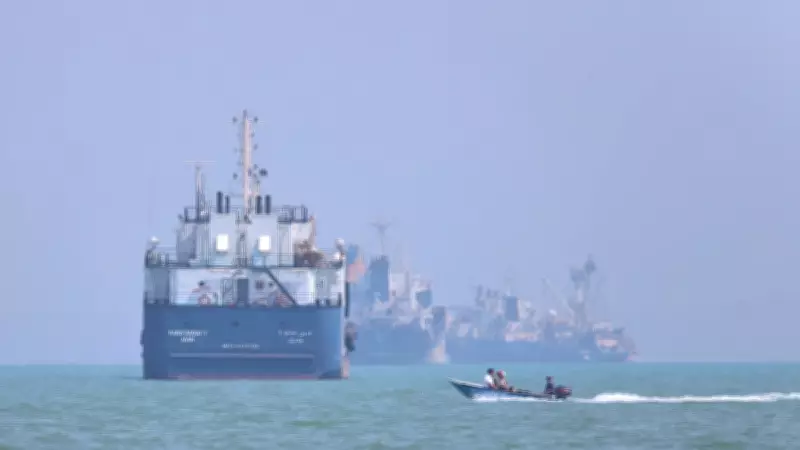
Iran and the United States have set up a direct communication line to prevent accidental military confrontations in the strategically vital Strait of Hormuz, according to diplomatic sources. The move comes as both nations engage in peace talks mediated by Oman, seeking to de-escalate tensions in the region.
The communication line allows for real-time coordination between naval forces operating in the narrow waterway, through which about 20% of the world's oil passes. A senior Iranian official confirmed the development, stating, "This channel is specifically designed to avoid miscalculations that could lead to a military clash."
Oman-Brokered Talks Progress
The establishment of the hotline follows several rounds of indirect talks held in Muscat, Oman. US Special Envoy for Iran, Robert Malley, noted, "We have made progress in reducing the risk of conflict, and this communication mechanism is a tangible outcome." The talks aim to address broader issues, including Iran's nuclear program and regional security.

According to a report by the International Crisis Group, there have been at least 15 incidents involving US and Iranian forces in the Persian Gulf and Strait of Hormuz since 2019. The new line is expected to reduce such encounters by enabling swift de-escalation.
Strategic Importance of the Strait
The Strait of Hormuz is a critical chokepoint for global energy supplies. Approximately 17 million barrels of oil pass through daily, making it vital for the economies of Iran, the Gulf states, and the world. Any disruption could lead to significant price spikes and economic instability.
Iranian Foreign Minister Hossein Amir-Abdollahian emphasized, "We do not seek war, but we will defend our territorial waters. This communication line is a step toward transparency and reducing tensions." The US Fifth Fleet, based in Bahrain, also welcomed the initiative, calling it "a practical measure to enhance maritime safety."
Implications for Regional Stability
Analysts view the development as a positive sign amidst years of hostility. Dr. Sanam Vakil, director of the Middle East and North Africa programme at Chatham House, commented, "This is a confidence-building measure that could pave the way for broader agreements. However, it remains fragile and dependent on continued political will."
The communication line operates through a secure channel monitored by both navies and is tested weekly. It was used successfully on June 20 to resolve a near-miss incident involving a US destroyer and an Iranian patrol boat.
Next Steps in Peace Talks
Both sides have agreed to hold another round of talks in July, focusing on maritime security and potential prisoner exchanges. The US has also signaled willingness to discuss sanctions relief if Iran complies with nuclear commitments. The European Union has expressed support for the Omani-led mediation.
As tensions in the region remain high, the communication line offers a glimmer of hope. The ultimate goal, as stated by both parties, is to prevent any accidental escalation that could spiral into a full-blown conflict.






