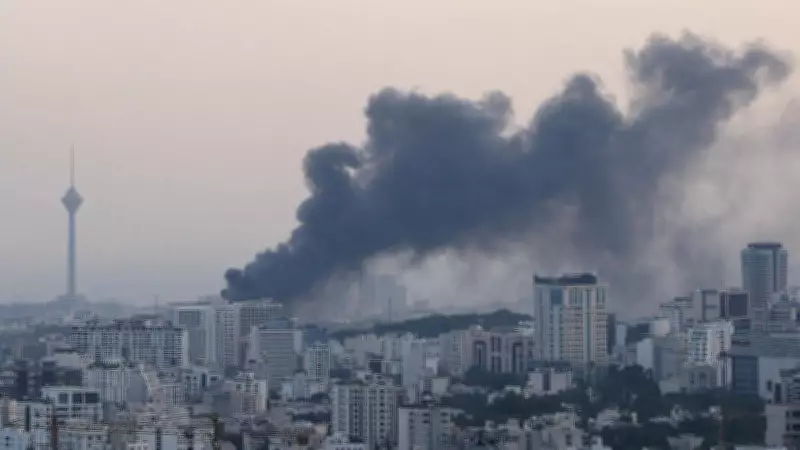
The ongoing conflict in Iran has permanently transformed the global economic landscape, according to a report by the International New York Times. Energy producers from the Gulf region to the Americas are competing to maintain or increase their market dominance, while consumers worldwide struggle to reduce their dependence on volatile energy sources and shore up their supply chains.
Energy Sector Shifts
The war has disrupted traditional energy markets, prompting producers in the Gulf, North America, and other regions to adjust their strategies. Countries like Saudi Arabia and the United Arab Emirates are ramping up production to fill gaps left by Iranian exports, while American shale producers are exploring new opportunities. This jockeying for position is reshaping global energy dynamics.
Impact on Consumers
For import-dependent nations, the conflict has accelerated efforts to diversify energy sources and invest in renewables. European countries, for instance, are fast-tracking green energy projects and seeking alternative suppliers in Africa and South America. Businesses are also rethinking supply chain resilience, with many stockpiling resources and securing long-term contracts.

Long-Term Economic Consequences
Economists warn that the war's effects will be felt for decades. Inflationary pressures, higher energy costs, and trade disruptions are likely to persist. Central banks face the challenge of balancing monetary policy amid uncertainty. The conflict has also highlighted the fragility of globalized supply chains, prompting calls for greater regional self-sufficiency.
Geopolitical Ramifications
The war has altered alliances and economic partnerships. Russia and China are strengthening ties with Iran, while the US and its allies are imposing new sanctions. These shifts are creating a multipolar economic order, with implications for trade, investment, and global governance.
As the conflict continues, the world is adapting to a new reality where energy security and economic resilience are paramount. The Iran war, though devastating, is accelerating long-overdue changes in how nations produce, consume, and think about energy.