

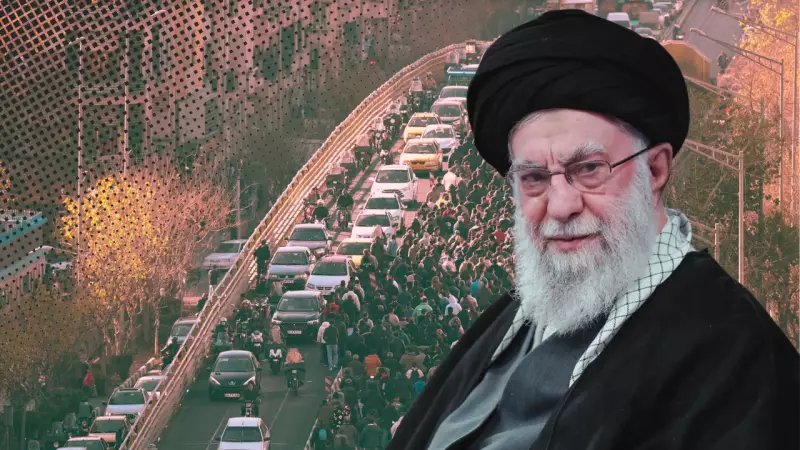
In a dramatic plea from exile, Iran's former crown prince Reza Pahlavi has directly appealed to United States President Donald Trump for urgent intervention. This call comes as widespread protests across Iran escalate into one of the most significant challenges to the Islamic Republic's leadership in recent years.
An Exiled Prince's Urgent Call to Action
Using social media, Reza Pahlavi, who has lived outside Iran for nearly fifty years since the 1979 revolution, issued a stark message to the American president. "Mr President, this is an urgent and immediate call for your attention, support and action," Pahlavi wrote. He explicitly asked Trump to "be prepared to intervene to help the people of Iran." The prince accused the regime of using a nationwide internet shutdown to conceal violence, claiming it was a tactic "to murder these young heroes."
Protests Escalate into a Regime Challenge
The protests, initially sparked by Iran's severe economic collapse, have rapidly evolved. Demonstrators in Tehran and other major cities are now openly chanting "Death to the dictator" and, in a remarkable shift, some have expressed praise for the country's pre-revolution monarchy. Such expressions were once met with the death penalty. The scale and boldness of the demonstrations represent a serious threat to the clerical establishment.

The government's response has been harsh and uncompromising. Supreme Leader Ayatollah Ali Khamenei dismissed the protesters as tools seeking to "please the president of the United States," while Iran's judiciary chief promised "decisive, maximum and without any legal leniency" punishments. State media has labelled the demonstrators as "terrorists."
Crackdown, Casualties, and International Warnings
According to international human rights groups, the crackdown has turned deadly. At least 62 people have been killed and more than 2,300 individuals detained. A sweeping internet blackout has severely restricted the flow of information, with activists asserting it is a tool to hide the regime's violent suppression from the world.
President Trump has repeatedly warned Tehran against using lethal force on peaceful protesters, stating Iran would "pay hell" if it does. This warning carries increased weight following recent US military actions. Just this week, US forces seized a fifth sanctioned oil tanker as part of an operation targeting Venezuelan exports after the removal of President Maduro. This move has fueled speculation about whether Washington could employ similar pressure tactics against Iran.
Pahlavi's appeal follows closely on the heels of the US operation in Caracas. However, it remains uncertain how much genuine support the exiled prince commands within Iran. It is also unclear if protesters seek a restoration of the monarchy or are simply united in their demand for an end to the current clerical rule.






