

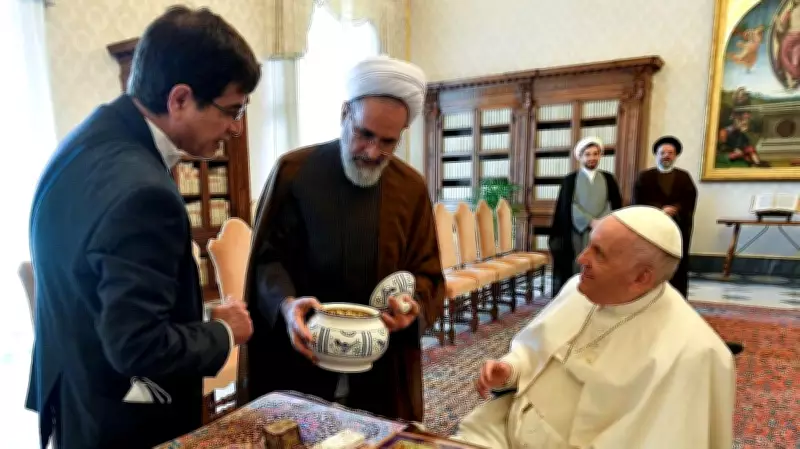
Iran's Interim Supreme Leader: Who is Alireza Arafi After Khamenei?
In a significant development in Iran's political and religious landscape, Alireza Arafi has been appointed as the interim Supreme Leader following the passing of Ayatollah Ali Khamenei. This transition marks a pivotal moment for the Islamic Republic, as the Supreme Leader holds ultimate authority over the state's military, foreign policy, and religious affairs. The appointment underscores the intricate power dynamics within Iran's clerical establishment and sets the stage for potential shifts in both domestic governance and international relations.
The Role and Responsibilities of the Supreme Leader
The Supreme Leader in Iran is not merely a political figure but the highest religious and constitutional authority, wielding control over key institutions such as the Revolutionary Guard, judiciary, and media. This position, established after the 1979 Islamic Revolution, ensures the leader's directives shape national policies, from nuclear negotiations to social reforms. The interim appointment of Alireza Arafi is crucial as it maintains continuity during this transitional period, preventing a power vacuum that could destabilize the region.
Who is Alireza Arafi?
Alireza Arafi is a prominent cleric known for his deep involvement in Iran's religious and educational sectors. As a member of the Assembly of Experts, the body responsible for selecting the Supreme Leader, Arafi has long been a key player in the country's leadership circles. His background includes serving as the head of Iran's seminaries and holding influential positions in theological institutions, which has earned him respect among conservative factions. Arafi's interim leadership is expected to uphold the principles of the Islamic Republic while navigating complex internal and external challenges.

Implications for Iran and the Middle East
The appointment of Alireza Arafi as interim Supreme Leader carries profound implications for Iran and the broader Middle East. Domestically, it may influence upcoming elections, economic policies, and social issues, as Arafi's conservative stance could reinforce traditional values. Internationally, his leadership could impact Iran's relations with neighboring countries and global powers, particularly in ongoing conflicts and diplomatic negotiations. Observers are closely watching how Arafi manages this interim role, as it may set precedents for the permanent successor to Khamenei.
Looking Ahead: The Future of Iran's Leadership
As Alireza Arafi steps into this interim position, the focus shifts to the Assembly of Experts, which will eventually select a permanent Supreme Leader. This process involves intense deliberations among Iran's elite clerics and could lead to significant political realignments. The interim period under Arafi will test Iran's governance structures and its ability to maintain stability amid regional tensions. Ultimately, this transition highlights the enduring influence of religious leadership in Iran's statecraft and its role in shaping the future of the Middle East.






