

Iran's New Supreme Leader Takes Hardline Stance on Strait of Hormuz Closure
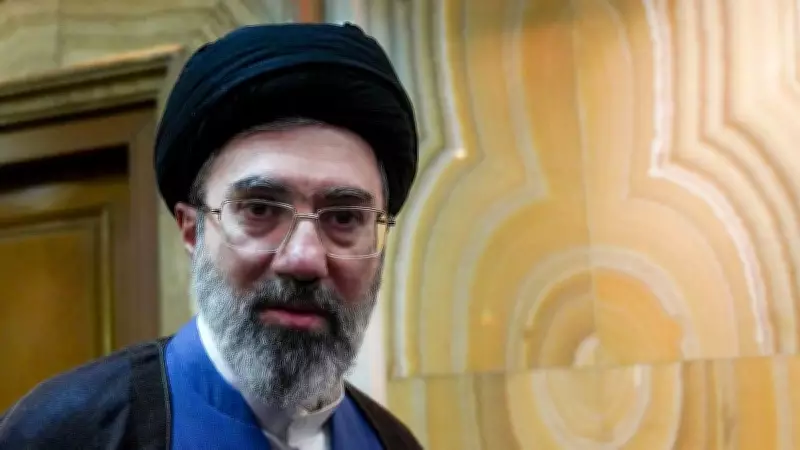
In a defiant and significant address that has sent ripples across global energy markets and geopolitical circles, Iran's newly appointed Supreme Leader, Mojtaba Khamenei, has made a series of bold declarations concerning the strategic Strait of Hormuz. The leader, who has recently assumed one of the most powerful positions in the Islamic Republic, vowed to maintain the closure of this critical maritime passage as a means to exert pressure on perceived enemies, while also pledging to avenge the martyrs of the nation.
A Defiant Address with Global Implications
During his speech, which was closely monitored by international observers, Khamenei articulated a firm and uncompromising stance. He emphasized that the Strait of Hormuz, a narrow waterway that runs along Iran's southern coast and is responsible for transporting approximately one-fifth of the world's total oil supply, should remain shut. This closure, according to Khamenei, is a strategic move designed to apply significant pressure on adversaries, particularly those he views as hostile to Iran's interests and sovereignty.
Furthermore, the Supreme Leader issued a direct demand to the United States, calling for the immediate closure of all its military bases in the region. This demand underscores the escalating tensions between Iran and the US, which have been a persistent feature of Middle Eastern geopolitics for decades. Khamenei's rhetoric suggests a continuation, if not an intensification, of the confrontational policies that have characterized Iran's foreign relations under previous leadership.

The Strategic Importance of the Strait of Hormuz
The Strait of Hormuz is not just a local waterway; it is a global chokepoint for oil transportation. Its closure could have profound implications for the world economy, potentially leading to:
- Spikes in global oil prices, affecting everything from transportation costs to consumer goods.
- Disruptions in energy supplies to major economies, including those in Asia and Europe.
- Increased geopolitical instability in an already volatile region, possibly triggering broader conflicts.
Khamenei's vow to keep it closed is therefore a powerful tool of economic and political leverage, aimed at forcing concessions from international opponents. By controlling this vital artery, Iran positions itself as a key player capable of influencing global energy security.
Avenging Martyrs and Regional Dynamics
In addition to the strait closure, Khamenei's address included a solemn pledge to avenge the martyrs—a reference to individuals who have died in conflicts or incidents that Iran attributes to foreign aggression or internal dissent. This vow resonates deeply within Iran's political and religious framework, where martyrdom is often glorified as a sacrifice for the nation and its ideals. It signals a commitment to retaliatory actions, which could manifest in various forms, from military engagements to proxy conflicts across the Middle East.
The timing of this address is particularly noteworthy, as it comes amid ongoing regional tensions involving other powers such as Israel and Saudi Arabia. Khamenei's words may be interpreted as a warning to these nations as well, reinforcing Iran's role as a defiant actor in West Asian politics. The demand for US base closures further complicates the security landscape, potentially challenging American military presence and alliances in the area.
Potential Global Responses and Future Outlook
As the international community digests Khamenei's statements, reactions are likely to be swift and varied. Key stakeholders, including the United States, European Union, and major oil-importing countries, may consider diplomatic, economic, or military responses to mitigate the risks posed by a prolonged closure of the Strait of Hormuz. The situation underscores the fragile balance of power in the Middle East and the high stakes involved in Iran's leadership transitions.

Looking ahead, the world will be watching closely to see how Khamenei's vows translate into action. Will Iran enforce the strait closure through naval blockades or other means? How will the US and its allies respond to the demand for base closures? These questions loom large, with the potential to reshape regional and global dynamics in the coming months. For now, Mojtaba Khamenei has made it clear that under his leadership, Iran intends to assert its influence forcefully, using the Strait of Hormuz as a central piece in its geopolitical strategy.





