

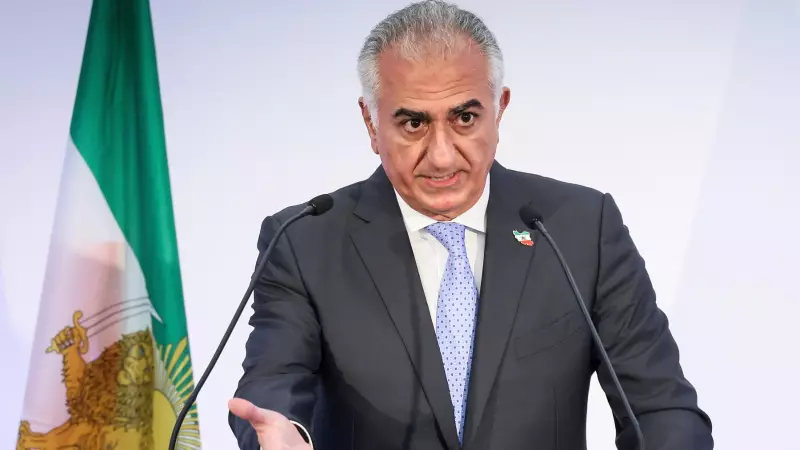
In a significant political development, Reza Pahlavi, the exiled Crown Prince of Iran, has publicly called for a nationwide strike within the country. He has also declared that he is actively preparing for a potential return to Iran, a move that could dramatically alter the nation's political landscape.
A Direct Challenge to the Tehran Regime
The son of the late Shah Mohammad Reza Pahlavi, who was overthrown in the 1979 Islamic Revolution, made these bold statements in a video message released on Sunday. His call to action comes at a time of heightened regional conflict and internal pressure on the ruling clerical establishment in Tehran.
Pahlavi directly addressed the Iranian people, urging them to stage a nationwide strike as a powerful form of civil disobedience. He framed this action as a critical step towards reclaiming sovereignty and building a future based on secular democracy and human rights, principles he claims were upheld during his father's reign.

Preparations for a Historic Return
Perhaps the most striking part of his announcement was the revelation about his planned return. "I am preparing to return to Iran," Pahlavi stated, signaling a readiness to physically re-enter the fray of Iranian politics after over four decades in exile. While he did not provide a specific timeline or logistical details, the declaration itself is a potent symbolic gesture aimed at galvanizing his supporters and unsettling the current regime.
His message was strategically released amidst ongoing geopolitical tensions, particularly the recent direct military confrontations between Iran and Israel. Pahlavi seized on this context, accusing the Islamic Republic's leaders of mismanaging the economy and isolating Iran internationally. He argued that the regime's policies have brought only poverty and conflict to the Iranian people, diverting national wealth to fund proxy wars abroad.
The Road Ahead and International Reaction
The Crown Prince's appeal is not made in isolation. He has positioned himself as a unifying figure for a broad coalition of opposition groups, including republicans and secularists, who seek an end to theocratic rule. His call for a strike is a classic tactic of non-violent resistance, intended to cripple the economy and demonstrate the depth of popular discontent.
Analysts suggest that while Pahlavi retains support among older Iranians and parts of the diaspora, his influence inside the country is difficult to measure. The Islamic Republic has a long history of suppressing dissent and has consistently labeled monarchists as enemies of the state. The regime's security apparatus is likely to respond forcefully to any attempts at organizing large-scale strikes or welcoming Pahlavi back.
Internationally, the statement will be closely watched. Pahlavi has been a frequent voice in Western media and has met with foreign officials, advocating for a tougher stance against the Iranian government. His announced plans could reshape diplomatic calculations, especially for nations weighing their approach to Iran's domestic opposition movements.
The coming weeks will be crucial. The success of his call for a nationwide strike will be the first real test of his current mobilizing power within Iran. Furthermore, the practicalities and security implications of his promised return pose enormous challenges. Whether this announcement marks a turning point or remains a symbolic declaration depends entirely on the response it elicits from the Iranian people on the ground and the regime's subsequent crackdown.






