

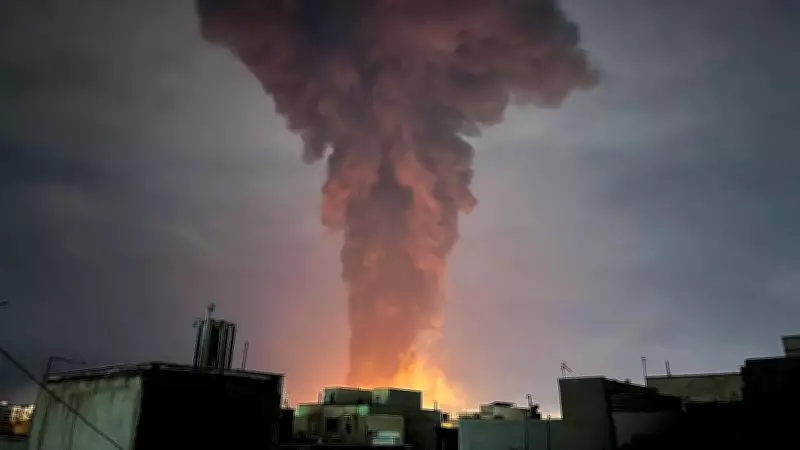
Israeli Military Strikes Reportedly Hit Iran's Arak Nuclear Facility
In a significant escalation of tensions in West Asia, Israeli military strikes have reportedly targeted Iran's Arak nuclear facility. The attack occurred hours after Israel issued a stern warning, raising fears of a broader regional conflict. This development comes amid an ongoing crisis in the Middle East, where geopolitical rivalries have intensified in recent months.
Details of the Strike and Immediate Aftermath
According to sources, the strikes were carried out with precision, focusing on key infrastructure at the Arak site, which is a central component of Iran's nuclear program. The facility, located in central Iran, has long been a point of international concern due to its potential for weapons-grade plutonium production. Israeli officials have not officially confirmed the operation, but regional analysts suggest it aligns with Israel's stated policy of preventing Iran from acquiring nuclear capabilities.
The timing of the attack is critical, as it followed explicit warnings from Israeli authorities about Iran's nuclear ambitions. In the hours leading up to the strike, Israeli leaders had publicly emphasized the threat posed by Iran's nuclear activities, signaling a possible military response. This move underscores Israel's willingness to take unilateral action to safeguard its security interests, even at the risk of escalating hostilities.

Regional and Global Implications
The strike on the Arak facility has sent shockwaves across West Asia, with neighboring countries expressing alarm over the potential for wider violence. Iran has condemned the attack as an act of aggression, vowing to respond in kind. This incident exacerbates existing tensions in the region, where proxy conflicts and diplomatic standoffs have become commonplace.
From a global perspective, the attack raises questions about the stability of international efforts to curb nuclear proliferation. The Arak facility was previously subject to restrictions under the 2015 nuclear deal, but since the U.S. withdrawal from the agreement, Iran has resumed some activities there. The Israeli strike highlights the fragility of diplomatic solutions and the growing risk of military confrontation.
Background and Context of the Crisis
The West Asia crisis has been brewing for years, driven by deep-seated animosities between Israel and Iran. Key factors include:
- Nuclear Ambitions: Iran's pursuit of nuclear technology, which Israel views as an existential threat.
- Proxy Conflicts: Ongoing battles in Syria, Lebanon, and Yemen, where both nations support opposing factions.
- Diplomatic Tensions: Failed negotiations and the collapse of the nuclear deal, leading to increased hostility.
In this volatile environment, the strike on Arak represents a dangerous escalation. Experts warn that if Iran retaliates, it could trigger a chain reaction of military engagements, drawing in other regional powers and potentially global actors. The situation remains fluid, with international calls for de-escalation growing louder.
Looking Ahead: Potential Scenarios
As the dust settles, several outcomes are possible. Iran may choose to launch a direct military response, risking all-out war. Alternatively, it could pursue diplomatic channels, seeking support from allies like Russia or China. Israel, for its part, has signaled readiness for further action if necessary, emphasizing its commitment to national security.
The international community faces a critical test, with the United Nations and major powers urged to mediate. However, given the history of mistrust and failed agreements, a peaceful resolution seems increasingly elusive. The attack on Arak serves as a stark reminder of the high stakes involved in West Asia's geopolitical landscape.
In conclusion, the Israeli strikes on Iran's Arak nuclear facility mark a pivotal moment in the West Asia crisis. With tensions at a boiling point, the world watches anxiously, hoping to avoid a catastrophic conflict. The coming days will be crucial in determining whether diplomacy can prevail or if further violence is inevitable.






