

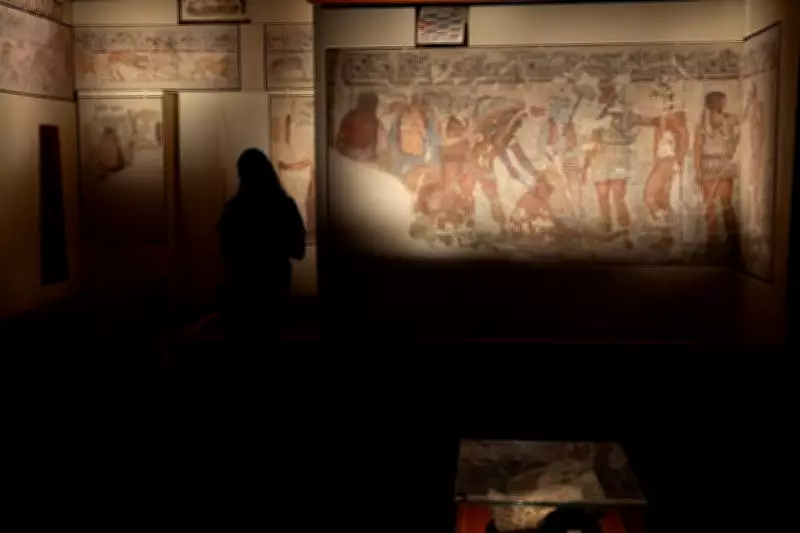
Italy on Tuesday put on display one of the best-known examples of Etruscan painting, from a tomb that has become the latest acquisition in the Culture Ministry's buying spree of big-ticket pieces of the country's cultural heritage.
Francois Tomb Frescoes Go on Public View
The ministry announced in May that it had acquired the fresco panels, dating from the 4th century BC, from members of the Torlonia family, one of Italy's ancient noble families whose vast collection of antiquity has long been kept out of the public domain. The tomb is opening to the public on Wednesday at Rome's Villa Giulia National Etruscan Museum. Alongside the fresco panels are jewels, Etruscan vases and other items that were discovered inside the tomb, now belonging to museum collections around the world and loaned to Italy for the exhibition.
Historical Significance and Acquisition Details
The Francois Tomb was discovered in 1857 by the French archaeologist Alessandro Francois in Vulci, on land owned by the Torlonia family. The frescoes were detached from the necropolis in 1863 and became part of the Torlonia collection, while the contents of the tomb were divided up among Francois, colleagues and the family. The Italian government has been trying to get possession of the tomb since 1921, as part of its effort to bring back into the Italian public patrimony artefacts and antiquities that were acquired or looted during the boom of archaeological excavations in the 1800s and beyond.

Third Major Cultural Purchase This Year
The tomb, reportedly purchased for 15 million euros (USD 17 million), marks the Culture Ministry's third major acquisition this year of culturally important artworks. It paid 14.9 million euros (USD 16 million) for Antonello da Messina's "Ecce Homo" and USD 35 million for a rare portrait by Caravaggio depicting Maffeo Barberini, the future Pope Urban VIII. The funds have come from the ministry's annual budget for acquisitions, but Culture Minister Alessandro Giuli has prioritised buying fewer, bigger-ticket items of cultural importance rather than smaller, lesser artworks and antiquities, officials said.
Minister's Vision for Italian Heritage
Giuli has said the tomb is a "fundamental" part of Italian history that was now being returned to the Italian public to enjoy. The acquisition underscores Italy's ongoing efforts to reclaim and preserve its cultural heritage, ensuring that significant artefacts remain accessible to the public and are protected for future generations.






