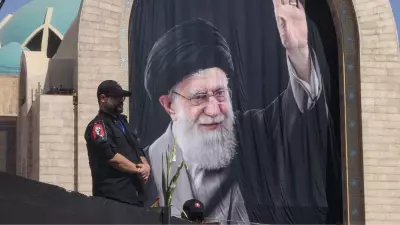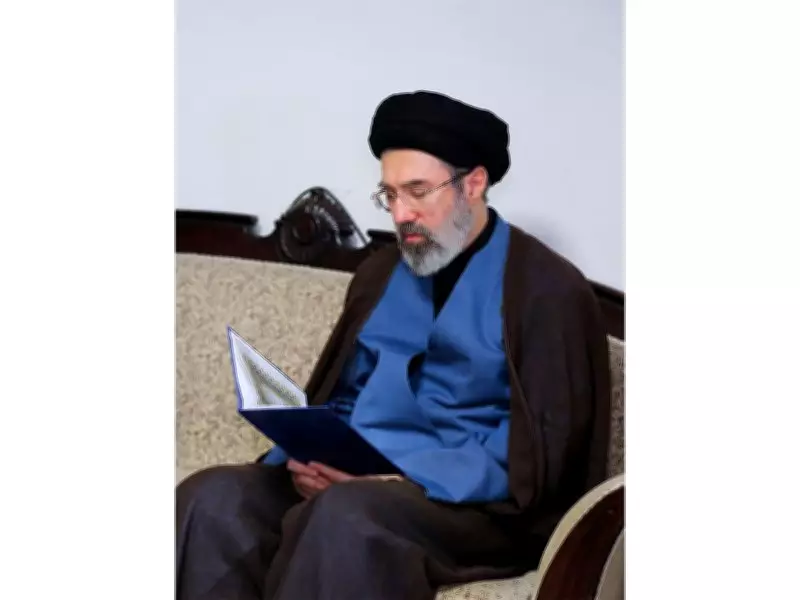
A condolence ceremony for the late Supreme Leader Ayatollah Ali Khamenei, who died during military strikes on February 28, will be held on Saturday, July 11, led by his son and successor, Mojtaba Khamenei, according to Iran's semi-official Tasnim News Agency. The event has triggered intense international speculation over whether Mojtaba will make a rare public appearance, as he has remained entirely out of the public domain since the outbreak of the war, with no photographs, video footage, or audio recordings released by official channels.
Succession Amid Secrecy
Mojtaba was designated as the new supreme leader by a clerical council in early March, one week after his father's death. However, the political transition remains fraught with uncertainty due to his complete absence from the public eye. Senior sources in Tehran indicate that Mojtaba sustained severe trauma during the military strike that killed his father, resulting in facial disfigurement and major limb injuries. While he is undergoing recovery, his health has not progressed enough to permit public appearances. Additionally, state intelligence apparatuses are reportedly limiting his visibility due to lingering concerns over potential US military operations.
Ceremony Details
According to Tasnim, the ceremony will take place on Saturday after the Maghrib and Isha prayers—the final two obligatory daily prayers in Islam, performed from sunset until dawn. The event will be hosted at the Imam Khomeini portico within the prominent shrine of Hazrat Masumeh in Qom. This follows the formal conclusion of the late leader's funeral rites; state media reported that Khamenei was laid to rest at the Shrine of Imam Reza in Mashhad early on Friday, ending a week of massive funeral processions and nationwide mourning rituals spanning Iran and Iraq.

Political Context and Tensions
The ceremonies unfolded amid renewed friction between Tehran and Washington after a weeks-long truce in the four-month-old conflict. While a truce was reached last month, the funeral events were actively promoted by the clerical establishment to project the strength and ideological commitment of the Islamic Republic. During processions in Mashhad on Thursday, dense crowds flanked the coffin, with hostile chants directed at US President Donald Trump. Participants shouted, "I swear by the blood of the supreme leader, Trump, we will kill you!" while several women displayed signs demanding to "Kill Trump." By nightfall, the central courtyard of the Shrine of Imam Reza was filled, and chants of "Death to America" reverberated through the complex, interspersed with traditional elegies broadcast through loudspeakers.
Burial and Transition
The official IRNA news agency confirmed early on Friday that authorities had completed the burial of Khamenei and four family members killed in the same attack. This transition occurs at a critical juncture for Iran, marking the end of nearly four decades of Khamenei's rule and following months of nationwide demonstrations against the theocratic government. Security agencies had suppressed those protests, driven by economic grievances tied to international sanctions, during a sweeping crackdown earlier this year. Khamenei originally assumed the position of supreme leader in 1989, a decade after the Islamic Revolution. Throughout his tenure, he systematically centralized political, military, and economic leverage within his own office, progressively marginalizing the country's elected parliament and presidency.