US and Iran Avoiding Full-Scale War, Says Expert
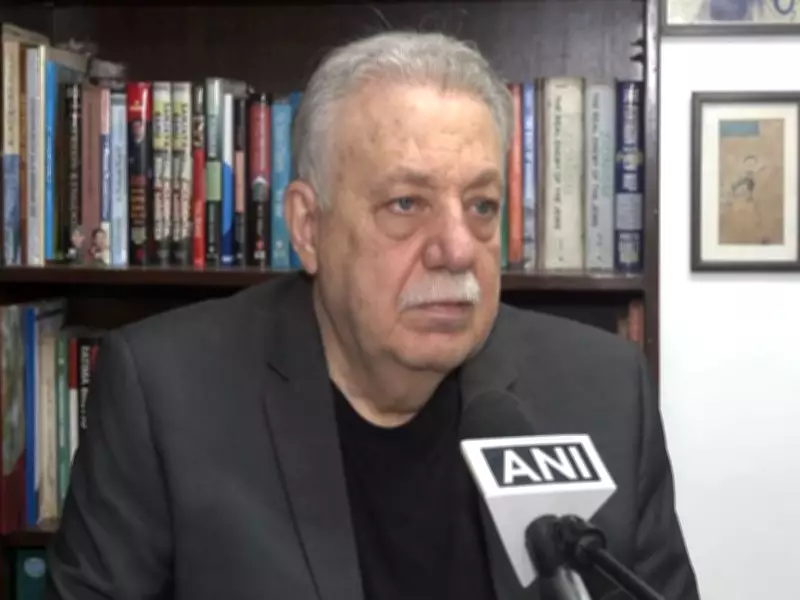
Middle East expert Waeil Awwad stated on Friday that both Iran and the United States are deliberately avoiding a direct war, limiting their actions to tit-for-tat attacks. This behavior, he explained, indicates that the conflict remains under control. Speaking to ANI, Awwad highlighted that Gulf countries involved in mediation are working to ensure both sides come to the negotiating table to discuss implementing the security framework they have signed.
According to Awwad, there have been attacks and counterattacks, including Iranian retaliatory strikes against US military bases in the region, such as those in a GCC country and Jordan. He said, "Yes, there is already attack, counterattack, retaliatory attack by Iran against some military bases of the United States in the region... And that's a clear indication that the United States does not want to widen this war at this moment, according to what our sources is. Both side, they don't want to go to full-fledged war. And that's why they are limiting their attack and tit for tat."
Backdoor Diplomacy Active
Awwad noted that backdoor diplomacy is very active, involving Arab countries like Turkey, Qatar, and Saudi Arabia, who are engaging with Iran. These countries aim to ensure both sides discuss the modality of implementing the signed security framework. He added, "And I believe both sides are agreeing. It's just a matter of explaining and reading the detail of this."

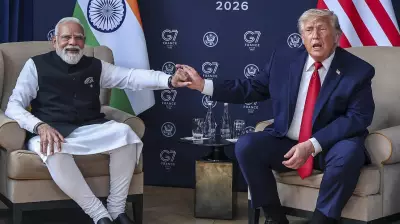
He also praised Prime Minister Narendra Modi's advocacy for dialogue and diplomacy to resolve global conflicts, particularly amid escalating tensions in West Asia. Awwad emphasized the crucial role of the India-Australia partnership in maintaining regional security and free maritime activities. He said, "I think he's right in stating this because of the bilateral relation with Australia stressing more important on the free maritime activities and the security architecture of the region, especially after the Strait of Hormuz blockade and the war on West Asia, where India is the major stakeholder and sufferer from this war."
Khamenei's Funeral Unifies Iran
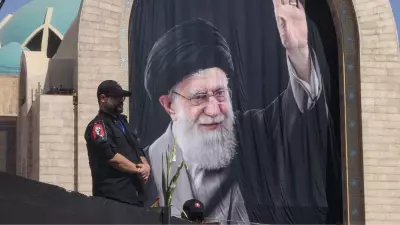
Regarding the funeral of former Supreme Leader Ayatollah Khamenei, Awwad described it as the largest in history, reflecting a massive wave of sympathy and loyalty. The funeral procession moved from Iran to Iraq and back to Iran. He stated, "The fact of the matter remains that this is the largest funeral carried out any time in history... And that gives you a clear indication how much the sympathy wave for this leader and how much loyalty has been shown not only in Iraq or Iran, all over the world."
Awwad noted that Khamenei's 14-month-old granddaughter was also killed during the strikes. He said, "Even his granddaughter, which is not even 14 months old, was murdered by the American and the Israelis, and they were proud of doing that. So most of the people in the street were sympathizing and angry... I believe this sentiment will be built up to unify the Iranian among themselves and to support their leadership."
Regional Tensions and Israeli Warning
Amid surging regional frictions triggered by the breakdown of the Washington-Tehran truce, Israeli Prime Minister Benjamin Netanyahu issued a stern warning to Iran, asserting that the "war is not over yet" and confirming that Tel Aviv is preparing for all potential eventualities.