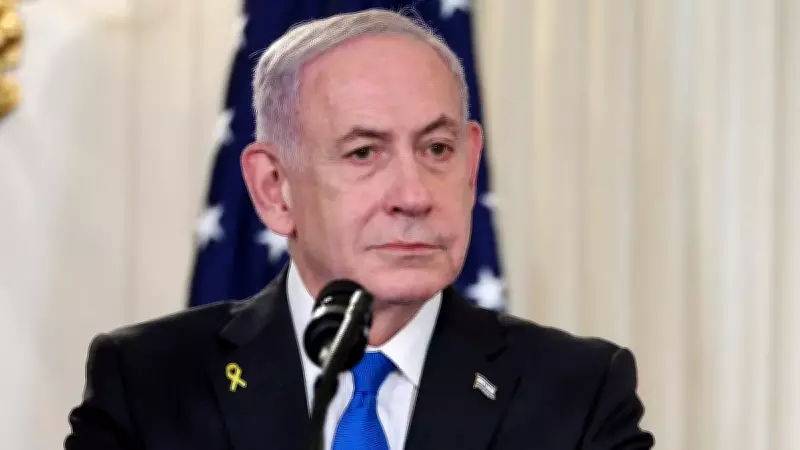
Israeli Prime Minister Benjamin Netanyahu has directed the Israeli Defense Forces (IDF) to expand their operational control over the Gaza Strip to 70 percent, according to official statements released on Tuesday. This marks a significant escalation in the ongoing conflict, which has already resulted in thousands of casualties and a severe humanitarian crisis.
Strategic Shift in Military Operations
The directive comes as part of a broader strategic shift aimed at dismantling Hamas's military infrastructure. Netanyahu emphasized that the expansion is necessary to ensure long-term security for Israeli communities near the Gaza border. The IDF will focus on securing key areas, including northern Gaza and the outskirts of Gaza City, while also targeting underground tunnel networks used by militants.
International Reactions and Concerns
The announcement has drawn sharp criticism from international bodies. The United Nations warned that such expansion could exacerbate the already dire humanitarian situation, with over 1.5 million displaced Palestinians facing shortages of food, water, and medical supplies. The European Union called for an immediate ceasefire, while the United States reiterated its support for Israel's right to self-defense but urged restraint to avoid civilian casualties.

Humanitarian Impact
Humanitarian organizations report that the expanded control zones will likely displace additional civilians. The World Health Organization expressed alarm over the targeting of medical facilities, with several hospitals in northern Gaza now operating at minimal capacity. The Red Cross appealed for safe corridors to deliver aid, a request that has so far been denied by Israeli authorities.
Military Tactics and Objectives
The IDF plans to employ a combination of ground troops, airstrikes, and naval blockades to achieve the 70 percent control target. Key objectives include seizing rocket launch sites, destroying weapons depots, and capturing senior Hamas commanders. Netanyahu stated that the operation would continue until all hostages held by Hamas are freed and the threat of rocket attacks is neutralized.
Domestic Political Ramifications
Within Israel, the decision has garnered mixed reactions. Right-wing coalition partners praised the move as a necessary step toward victory, while opposition leaders accused Netanyahu of prolonging the conflict for political gain. Protests in Tel Aviv and Jerusalem have called for a negotiated settlement, with families of hostages demanding prioritization of their release over territorial gains.
Regional Dynamics
The expansion has heightened tensions with neighboring countries. Egypt and Jordan, which have peace treaties with Israel, expressed deep concern over the potential for regional spillover. Iran-backed groups in Lebanon and Syria have threatened to open new fronts if Israeli operations continue to intensify. Hezbollah leader Hassan Nasrallah warned that any attempt to fully occupy Gaza would be met with a strong response.
Future Outlook
Analysts suggest that achieving 70 percent control may take weeks, with fierce resistance expected from Hamas fighters entrenched in urban areas. The long-term viability of such control remains uncertain, as past Israeli occupations of Gaza have proven costly and unsustainable. International pressure for a ceasefire is likely to mount as civilian casualties rise, potentially forcing a reevaluation of the strategy.