

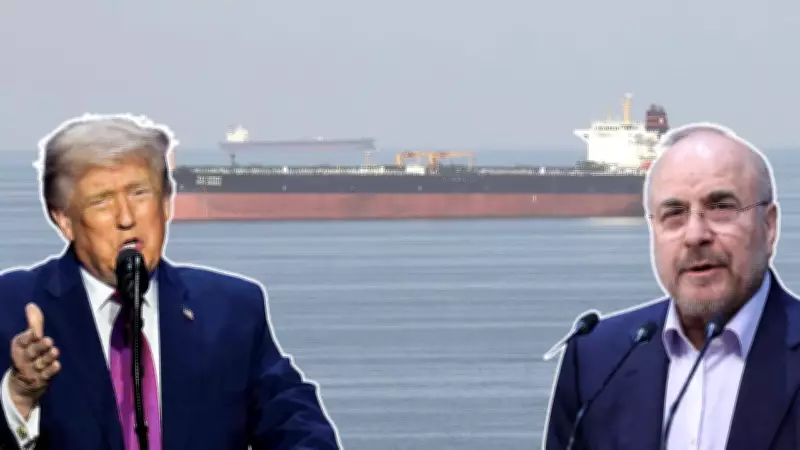
Qatar secretly secured US approval for a financial arrangement with Iran that allowed billions of dollars to flow to Tehran in return for the safe passage of Qatari tankers through the Strait of Hormuz, according to a report cited by The Times of Israel from Israel Hayom.
Background of the Deal
The report, citing three diplomatic officials, said Washington quietly approved the deal around a month ago as part of efforts to maintain stability in the Gulf and keep communication channels open with Tehran. The arrangement reportedly came as Qatar grew increasingly concerned about its security after one of its gas facilities was attacked during the recent conflict involving Iran, the United States and Israel.
Qatar's Security Concerns
According to the report, Doha sought to ensure protection from future Iranian attacks by strengthening direct contacts with Tehran. While neighbouring Gulf states, including Saudi Arabia and the United Arab Emirates, were reportedly targeted by missile and drone strikes after the ceasefire, Qatar remained largely untouched. The report claimed this was linked to Doha's financial assistance to Iran.

Financial Mechanics
As reported by The Times of Israel, the agreement allowed Iran access to portions of its financial deposits held in Qatar. Some of the transfers were allegedly structured as fees paid by Qatari tankers and commercial vessels transiting the Strait of Hormuz, one of the world's most important energy shipping routes. The report also said a broader credit facility worth up to $1 billion was established to facilitate purchases through Qatar.
Interim Agreement with Iran
The allegations emerged as the United States and Iran reached an interim agreement aimed at extending their fragile ceasefire and eventually reopening the Strait of Hormuz. The deal, which is expected to be formally signed in Geneva later this week, could lead to the phased easing of sanctions and the release of additional frozen Iranian assets.
Criticism from Israel
The prospect of fresh funds reaching Tehran has triggered criticism in Israel. Opposition leaders and security commentators have argued that any agreement providing Iran with financial relief risks strengthening the country's regional influence while leaving key concerns over its nuclear and ballistic missile programmes unresolved.
Israeli officials have also expressed concern that Tehran could emerge from the conflict in a stronger position, retaining influence over regional shipping lanes and maintaining leverage through allied groups across the Middle East.
Catch the latest world news and top headlines. Download the TOI App.
About the Author
TOI World Desk: At TOI World Desk, our dedicated team of seasoned journalists and passionate writers tirelessly sifts through the vast tapestry of global events to bring you the latest news and diverse perspectives round the clock. With an unwavering commitment to accuracy, depth, and timeliness, we strive to keep you informed about the ever-evolving world, delivering a nuanced understanding of international affairs to our readers. Join us on a journey across continents as we unravel the stories that shape our interconnected world.






