

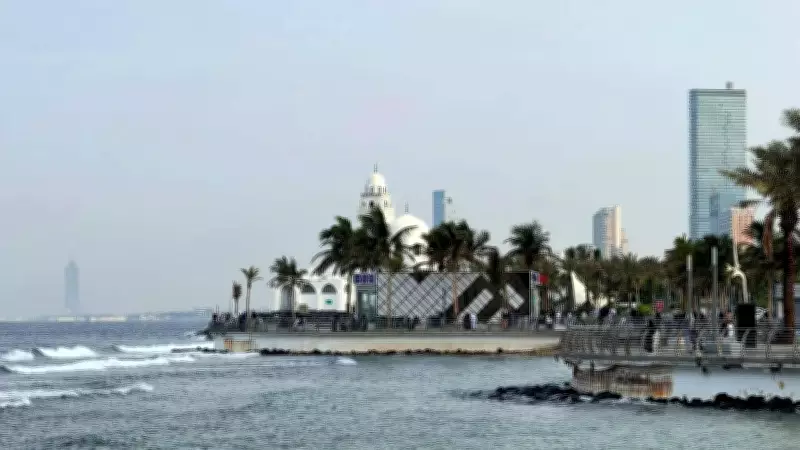
Saudi Arabia's Unique Geography: A Land Without Permanent Rivers
Saudi Arabia is globally renowned for its vast desert expanses, soaring temperatures, and scarce water resources. One of the most striking geographical features of this Middle Eastern nation is the complete absence of permanent rivers. Unlike many countries that rely on river systems for irrigation, drinking water, and transportation, Saudi Arabia has developed innovative survival strategies to thrive in its arid environment. This lack of rivers is not merely a geographical curiosity but is deeply intertwined with the region's harsh climate, posing significant challenges for sustaining a growing population.
The Arid Climate: Why Rivers Cannot Form
Saudi Arabia is situated in one of the driest regions on Earth, dominated by deserts such as the Rub al Khali, or Empty Quarter. This area experiences minimal rainfall, with annual precipitation often recorded at less than 100 millimeters. According to a World Bank report on water scarcity in the Middle East, Saudi Arabia receives as little as 65 millimeters of rainfall each year. Such low precipitation levels make it nearly impossible for permanent rivers to develop, as rivers require consistent water sources from rain or snow. Instead, any moisture that does fall typically evaporates rapidly due to high temperatures or is absorbed into the parched ground, preventing the formation of sustained waterways.
Wadis: The Seasonal Replacements for Rivers
Despite the absence of permanent rivers, Saudi Arabia features seasonal water channels known as wadis. A wadi is essentially a dry riverbed that temporarily fills with water during intense rainstorms. These channels can experience swift water flow, sometimes leading to flash floods, but the water does not linger for long periods. It either evaporates quickly or seeps into the soil. Wadis play a crucial role in shaping the landscape and supporting limited vegetation, offering a glimpse of how natural water systems operate in this arid setting.

Meeting Water Needs: Desalination and Groundwater
Without rivers, Saudi Arabia has turned to alternative methods to secure water for its population. Desalination, the process of removing salt from seawater, stands as one of the most significant solutions. The country is one of the world's largest producers of desalinated water, utilizing advanced technologies to convert ocean water into potable supplies. Additionally, Saudi Arabia relies heavily on groundwater extracted from underground aquifers. This water has accumulated over millennia, but its use requires careful management to prevent depletion. These methods are essential for supporting both urban and rural communities.
Impact on Agriculture and Daily Life
The lack of rivers profoundly affects agricultural activities in Saudi Arabia. Farming is limited and relies on efficient irrigation systems that utilize groundwater or desalinated water. Cultivating water-intensive crops remains a significant challenge, prompting a focus on drought-resistant varieties and sustainable practices. In daily life, water conservation efforts are paramount, with initiatives promoting efficient usage, recycling, and robust infrastructure to ensure availability for domestic and commercial purposes. These measures help mitigate the constraints imposed by the arid environment.
Environmental Challenges and Sustainability Efforts
Water scarcity presents one of the most pressing environmental challenges in Saudi Arabia. Mismanagement has led to the depletion of groundwater tables, while desalination, though effective, is energy-intensive and poses ecological concerns. To address these issues, the government is investing in sustainable technologies, moving away from reliance on conventional methods like overexploiting aquifers. Innovations in desalination and water recycling are being prioritized to enhance long-term sustainability. From wadis to desalination plants, these solutions highlight human ingenuity in overcoming natural limitations while underscoring the urgent need for environmental stewardship.






