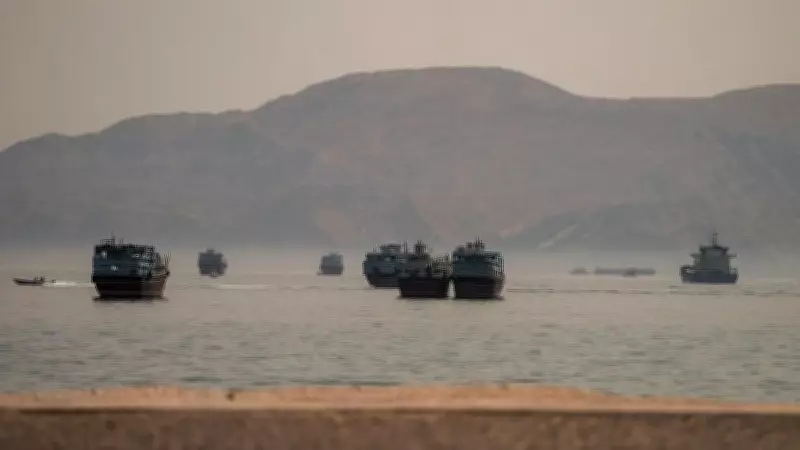
Iran's Islamic Revolutionary Guard Corps (IRGC) on Saturday declared the Strait of Hormuz closed, contradicting a 60-day ceasefire agreement between the United States and Iran for peace deal negotiations, according to a Reuters report.
Ceasefire Agreement Broken
The US and Iran had agreed to a 60-day ceasefire to facilitate negotiations for a peace deal. However, the IRGC's announcement effectively shuts down one of the world's most critical oil transit chokepoints, through which about 20% of global oil passes. The closure threatens to disrupt global energy supplies and escalate tensions in the region.
Details of the Closure
The IRGC declared the Strait of Hormuz closed on Saturday, 21 June 2026, without specifying a duration or conditions for reopening. The move came just hours after the ceasefire was reportedly finalized, raising questions about Iran's commitment to the peace process. A US official, speaking on condition of anonymity, called the closure "a direct violation of the ceasefire agreement" and warned of consequences.

Impact on Global Oil Markets
The Strait of Hormuz is a vital waterway connecting the Persian Gulf to the Arabian Sea. Analysts estimate that a prolonged closure could spike oil prices by 30-50%, affecting economies worldwide. Tanker traffic has already been halted, with at least 10 vessels reported waiting outside the strait. The US Navy's Fifth Fleet is on alert, but no immediate intervention has been announced.
Regional and International Reactions
Gulf states, including Saudi Arabia and the UAE, have expressed alarm, calling for an emergency meeting of the UN Security Council. The European Union urged restraint and dialogue. Iran's foreign ministry has not issued an official statement, but a senior Iranian official told Reuters that the closure is a "temporary measure" pending guarantees from the US regarding sanctions relief.