

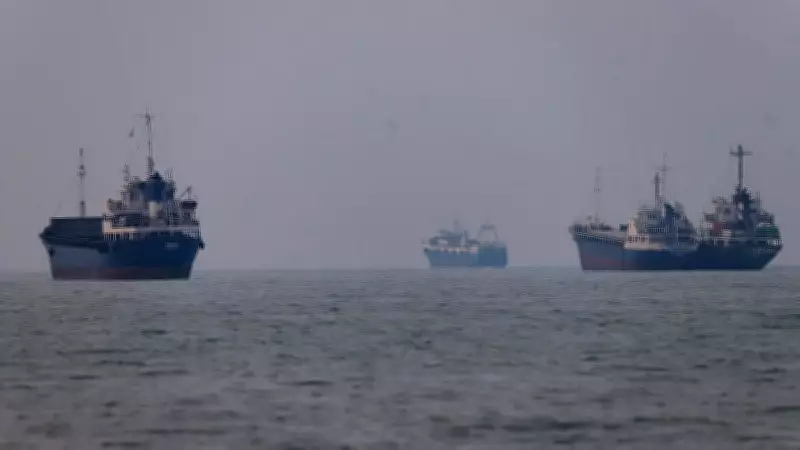
Traffic Increases Sharply in Key Waterway
Shipping traffic in the Strait of Hormuz, a critical chokepoint for global oil shipments, has picked up again after a brief decline, according to data from Kpler, a maritime tracking firm. On Tuesday, 40 ships transited the waterway, up from 24 the previous day and comparable to 39 on Saturday.
Recent Fluctuations Amid Regional Tensions
The rebound follows a period of reduced traffic that raised concerns about potential disruptions in the region. The Strait of Hormuz, located between Iran and Oman, is a vital passage for about 20% of the world's oil supply. Fluctuations in traffic often reflect geopolitical tensions or security incidents in the area.
According to Kpler, the number of vessels passing through the strait had dipped to 24 on Monday, marking a significant drop from the weekend levels. The recovery to 40 ships on Tuesday suggests a return to normal operations, though analysts remain cautious.

Impact on Global Oil Markets
The strait's importance to global energy markets means that any disruption can affect oil prices. The recent dip and subsequent rebound in traffic have been closely monitored by traders and shipping companies. “The data shows that the waterway remains navigable, but the volatility highlights ongoing risks,” said a Kpler analyst.
Iran and Oman have historically maintained security in the strait, but regional conflicts have occasionally led to temporary slowdowns. The latest figures indicate that while traffic can fluctuate, the strait continues to function as a key maritime route.






