Trump Hails US-Iran Relations Amid Nuclear Talks in Qatar
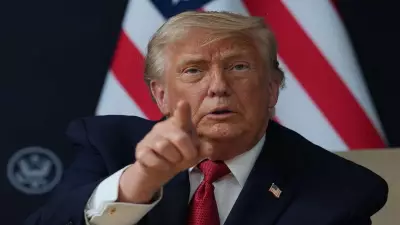
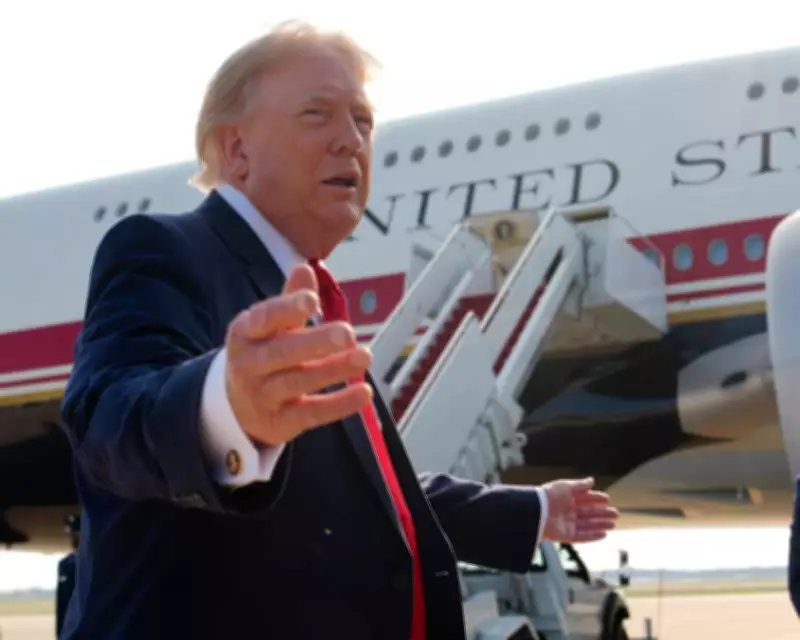
President Donald Trump stated on Tuesday that the United States and Iran are "getting along very well" as nuclear negotiations in Qatar demonstrate significant progress. The remarks came during a press briefing at the White House, where Trump highlighted recent diplomatic exchanges between the two nations.
Progress in Qatar Talks
The indirect talks, mediated by Qatari officials, have reportedly narrowed differences on key issues, including uranium enrichment levels and sanctions relief. According to a senior administration official, both sides have agreed to a framework that could lead to a temporary freeze on Iran's nuclear activities in exchange for easing of certain economic restrictions.
"We're seeing a lot of movement," Trump said. "They want to make a deal, and we're ready to make a fair deal." The president emphasized that his administration's maximum pressure campaign had brought Iran to the negotiating table.

Details of the Emerging Agreement
Sources familiar with the talks indicate that Iran has agreed to cap its uranium enrichment at 3.67% and allow enhanced inspections by the International Atomic Energy Agency (IAEA). In return, the US would unfreeze approximately $6 billion in Iranian assets held in South Korea and lift sanctions on non-oil trade sectors.
"This is a win-win situation," said a Qatari mediator who spoke on condition of anonymity. "Both sides have shown flexibility and a genuine desire to resolve this through diplomacy."
Impact on Global Markets and Regional Stability
The progress in talks has already affected global oil prices, with crude futures dropping 2% on Tuesday amid expectations of increased Iranian oil exports. Analysts predict that a final agreement could add up to 1 million barrels per day to global supply.
Regional powers, including Saudi Arabia and Israel, have expressed cautious optimism but remain wary of Iran's intentions. Israeli Prime Minister Benjamin Netanyahu stated that any deal must include strict verification mechanisms to prevent Iran from developing nuclear weapons.
Criticism and Support
While Trump's statement has drawn praise from some allies, critics argue that the administration is rushing into an agreement without addressing Iran's ballistic missile program and support for proxy groups. Senate Foreign Relations Committee Chairman Bob Menendez said, "We cannot ignore Iran's destabilizing activities across the Middle East."
Nevertheless, the White House insists that the current talks are focused solely on the nuclear issue and that other concerns will be addressed separately. Secretary of State Mike Pompeo, who has been briefed on the negotiations, said, "We are taking this step by step. The nuclear threat is the most immediate danger."
Next Steps
Both delegations are expected to reconvene in Doha next week to finalize the technical details. If successful, the interim agreement could be signed within a month, paving the way for broader negotiations on a comprehensive deal.
"We're getting along very well," Trump reiterated. "And I think you'll see something very positive happening soon."