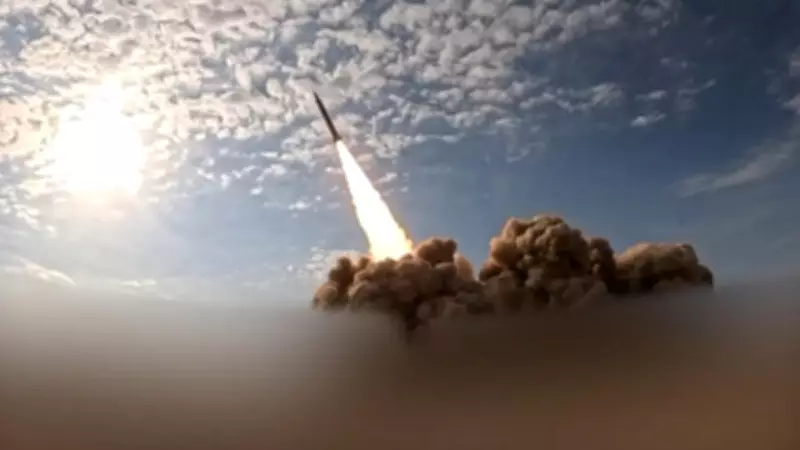
The United Arab Emirates (UAE) successfully countered an Iranian air attack on its territory, according to official reports. The incident occurred shortly after former U.S. President Donald Trump stated that a ceasefire between the involved parties was still in effect. The attack, which involved drones and missiles, was intercepted by UAE defense systems, preventing any casualties or major damage. The UAE Ministry of Defense confirmed the interception and emphasized its commitment to protecting national sovereignty.
Details of the Attack
The Iranian air assault targeted strategic locations within the UAE, including military installations and infrastructure. The attack utilized a combination of drones and cruise missiles, likely aimed at testing the UAE's air defense capabilities. The UAE's air defense forces, equipped with advanced systems, managed to neutralize the threats before they reached their intended targets. This incident marks a significant escalation in the ongoing tensions between Iran and the UAE, which have been heightened due to regional conflicts and proxy wars.
Trump's Ceasefire Claim
Former President Donald Trump, in a statement made earlier, asserted that a ceasefire agreement between the UAE and Iran remained in effect. However, the Iranian attack contradicts this claim, raising questions about the status of diplomatic efforts. Trump's remarks were made during a press conference where he discussed his administration's achievements in the Middle East. The Iranian attack appears to undermine any potential ceasefire, further complicating the geopolitical landscape.

Regional Reactions
The attack has drawn condemnation from various international actors. The United States, through its State Department, called for restraint and urged both parties to adhere to diplomatic solutions. Saudi Arabia and other Gulf Cooperation Council (GCC) members expressed solidarity with the UAE, offering support in its defense. Iran, on the other hand, has not officially acknowledged the attack, but state media sources hinted at retaliatory measures against perceived UAE aggression in the region.
Implications for Regional Stability
The incident threatens to destabilize the already volatile Middle East. The UAE, a key U.S. ally and a hub for international trade, may now face increased security risks. Analysts suggest that Iran's move could be a response to the UAE's normalization of ties with Israel under the Abraham Accords. The attack also tests the effectiveness of the UAE's air defense systems, which include American-made Patriot and THAAD batteries. The long-term implications include potential economic disruptions and a shift in regional alliances.
UAE's Defense Posture
The UAE has been investing heavily in its military capabilities, particularly in air defense. The successful interception showcases the effectiveness of these investments. The UAE Ministry of Defense stated that it remains vigilant and prepared to counter any future threats. The country has also been strengthening its cybersecurity measures to protect against potential Iranian cyberattacks. The incident may accelerate the UAE's efforts to diversify its defense partnerships beyond the U.S., possibly involving other global powers.
Conclusion
The Iranian air attack on the UAE, despite Trump's ceasefire claim, marks a critical juncture in Middle Eastern geopolitics. The UAE's successful defense highlights its military preparedness, but the attack underscores the fragility of peace in the region. International diplomatic efforts must intensify to prevent further escalation. The coming days will be crucial in determining whether this incident leads to a broader conflict or renewed dialogue.