

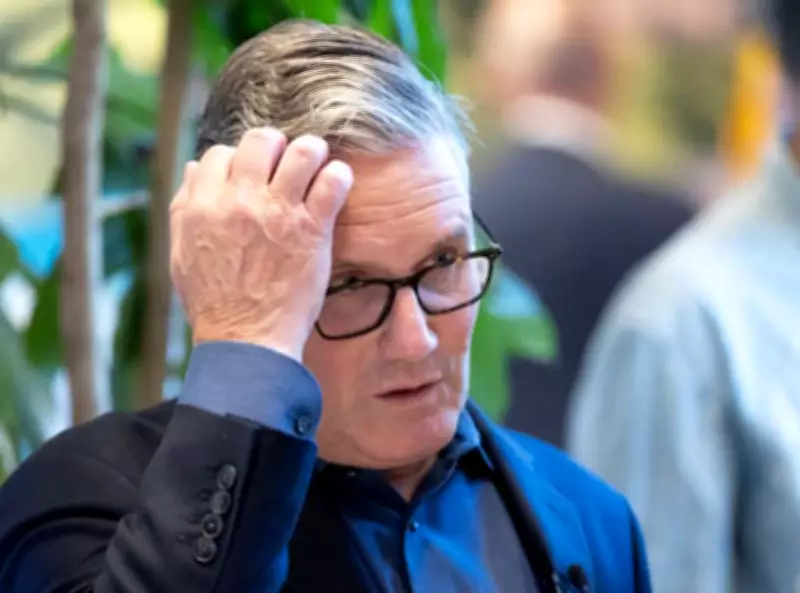
UK Prime Minister Keir Starmer is reportedly preparing to step down from his position in 2026, according to a recent report that has outlined a timeline for his departure. The news has sent ripples through British politics, with speculation mounting over who might succeed him as leader of the Labour Party and the country.
Report Details Starmer's Planned Exit
The report, which cites unnamed sources close to the Prime Minister, suggests that Starmer has privately communicated his intention to resign within the next two years. The timeline reportedly includes a phased transition, with Starmer expected to announce his resignation formally in early 2026, paving the way for a leadership election within the Labour Party.
Starmer, who took office as Prime Minister in July 2024 after leading Labour to a landslide victory, has faced a challenging tenure marked by economic pressures, internal party divisions, and public dissatisfaction over key policy areas. Despite these hurdles, his approval ratings have remained relatively stable, though recent polls indicate a dip in support for the government.

Political Implications and Leadership Race
The potential resignation has sparked intense debate within political circles. According to political analysts, the move could trigger a competitive leadership race, with several prominent Labour figures already positioning themselves as potential successors. Names such as Deputy Prime Minister Angela Rayner, Chancellor of the Exchequer Rachel Reeves, and Health Secretary Wes Streeting have been floated as possible candidates.
"If Starmer steps down in 2026, it will open the field for a new generation of Labour leaders," said Dr. Emily Harris, a political scientist at the University of London. "The party will need to balance continuity with fresh ideas to maintain its electoral coalition."
Starmer's Tenure and Challenges
Since becoming Prime Minister, Starmer has pursued a centrist agenda, focusing on economic stability, public service reform, and strengthening the UK's international alliances. However, his government has struggled with rising inflation, a housing crisis, and ongoing strikes in the public sector. The report notes that Starmer's decision to resign may be influenced by a desire to allow a new leader to steer the party into the next general election, expected in 2029.
"Leading a country is an immense privilege, but it also demands immense personal sacrifice," Starmer said in a recent interview, though he did not directly address the resignation rumors. "I will always put the country first."
Reactions from Political Opponents
Opposition parties have reacted to the news with a mix of skepticism and opportunism. Conservative Party leader Kemi Badenoch commented, "The Labour government has failed the British people on every front. If Starmer is stepping down, it's an admission of defeat." Meanwhile, Liberal Democrat leader Ed Davey called for an early general election, stating, "The public deserves a say in who leads this country."
What Comes Next
If Starmer follows through with the reported timeline, the Labour Party will need to elect a new leader before the next general election. The process is expected to take several months, involving nominations from MPs and a vote by party members. The outcome could significantly reshape the political landscape in the UK.
As of now, Downing Street has not officially confirmed the report, with a spokesperson stating, "The Prime Minister is focused on delivering for the British people. Speculation about his future is unhelpful." Nonetheless, the report has already begun to influence political discourse, with many viewing it as a turning point for the Labour government.






