US and Iran Sign Historic Peace Agreement
The United States and Iran have signed a comprehensive peace deal, marking a dramatic shift in West Asian geopolitics. The agreement, brokered after months of negotiations, calls for a cessation of hostilities across the region, including a halt to attacks on Israel by Iran-backed groups such as Hezbollah.
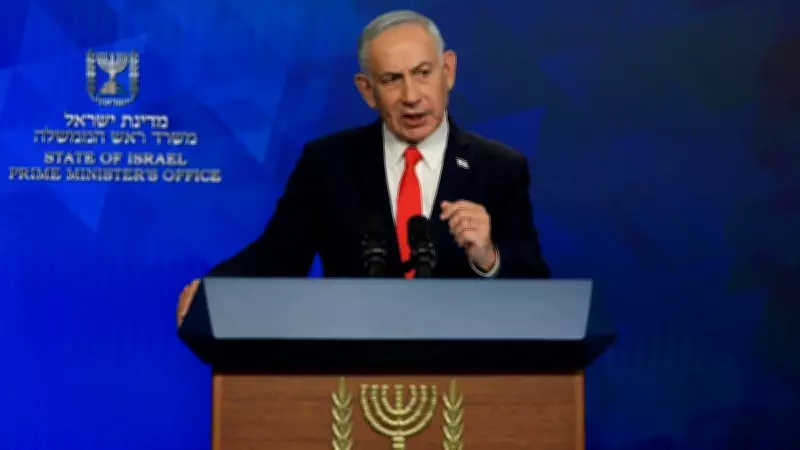
Netanyahu's Dilemma
This places Israeli Prime Minister Benjamin Netanyahu in a political conundrum. Ceasing hostilities against Hezbollah runs contrary to his government's determination to finally crush its nemesis. According to a senior Israeli official speaking on condition of anonymity, "The prime minister faces immense pressure from coalition partners who view any truce as a betrayal of security promises."
Impact on Israeli Politics
Netanyahu's far-right allies have already condemned the deal, calling it a "surrender to terrorism." Political analyst Yossi Klein of the Israel Democracy Institute noted: "The peace deal undermines Netanyahu's longstanding narrative that only military strength ensures Israel's safety. He now must choose between regional stability and his political survival."

Regional Reactions
Iranian Foreign Minister Javad Zarif hailed the deal as "a victory for diplomacy over war." Meanwhile, Hezbollah leader Hassan Nasrallah issued a statement signaling willingness to observe a ceasefire, though he stressed that "resistance remains an option if Israeli aggression continues."
What's Next for Israel?
The agreement includes provisions for international monitoring of the ceasefire and economic incentives for Iran to curb its proxy networks. For Netanyahu, the path forward is fraught: embracing the deal could fracture his coalition, while rejecting it risks international isolation. The coming weeks will reveal whether the prime minister can navigate this high-stakes political tightrope.