US Launches Fresh Strikes on Iran
The United States military carried out another round of airstrikes against Iranian targets on Wednesday, escalating the ongoing conflict. President Donald Trump issued a stark warning, stating that the attacks would become "much worse" if Iranian forces again targeted American ships or allied vessels.
Trump's Warning and Rationale
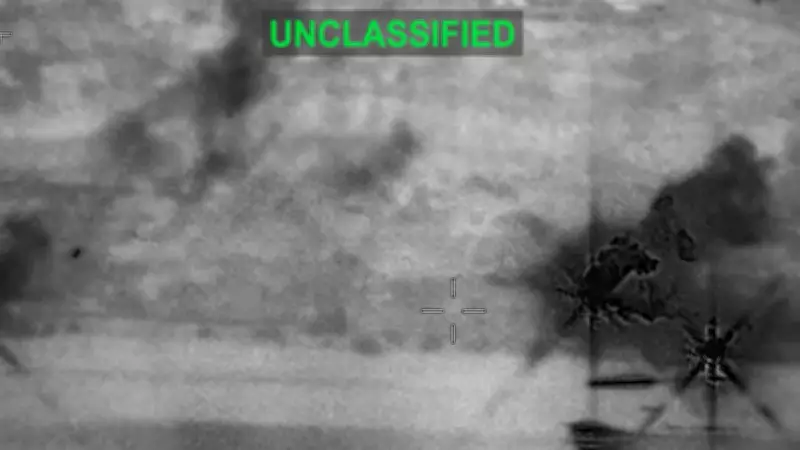
Speaking from the White House, Trump said, "We will not tolerate attacks on our ships. If they strike again, the response will be far more severe." The strikes targeted Iranian naval assets and missile sites in the Persian Gulf, according to Pentagon officials. The operation involved fighter jets and drones, hitting multiple locations.
Details of the Military Operation
The strikes destroyed several Iranian missile batteries and radar systems, the Pentagon reported. No US casualties were reported. This marks the second round of US strikes in a week, following an initial attack on July 5 that targeted Iranian drone facilities.

Impact and Regional Reactions
The escalation has raised tensions across the Middle East. Iran's Foreign Ministry condemned the strikes as "an act of aggression" and vowed retaliation. Oil prices surged by 3% on global markets amid fears of supply disruptions. International allies, including the UK and France, have called for restraint, while Russia urged an emergency UN Security Council meeting.
Background of the Conflict
The US strikes are a response to a series of attacks on commercial shipping in the Strait of Hormuz, which Washington attributes to Iran. In recent weeks, Iranian-backed Houthi rebels in Yemen have also targeted ships in the Red Sea. The US Navy has increased its presence in the region to protect maritime trade routes.
Trump's Stance and Future Actions
President Trump reiterated his commitment to protecting US interests and allies. "We have the best military in the world, and we will use it if necessary," he said. However, he left the door open for diplomacy, saying, "Iran can choose a different path. The choice is theirs."
Humanitarian and Economic Consequences
The conflict has already disrupted global shipping, with several major shipping companies rerouting vessels away from the Strait of Hormuz, through which about 20% of the world's oil passes. Insurance costs for ships in the region have skyrocketed. Humanitarian groups warn of potential fuel shortages in several countries if the situation persists.
International Response
The UN Secretary-General expressed deep concern over the escalation and called for immediate de-escalation. The European Union has offered to mediate talks between the US and Iran. Meanwhile, Iran's Supreme Leader Ayatollah Khamenei stated that Iran will not back down and will respond to any aggression.
Analysis and Outlook
Analysts believe that the US strikes are aimed at degrading Iran's ability to threaten maritime security without triggering a full-scale war. However, the risk of miscalculation remains high. The coming days will be critical in determining whether the situation spirals into a broader conflict or finds a diplomatic off-ramp.