

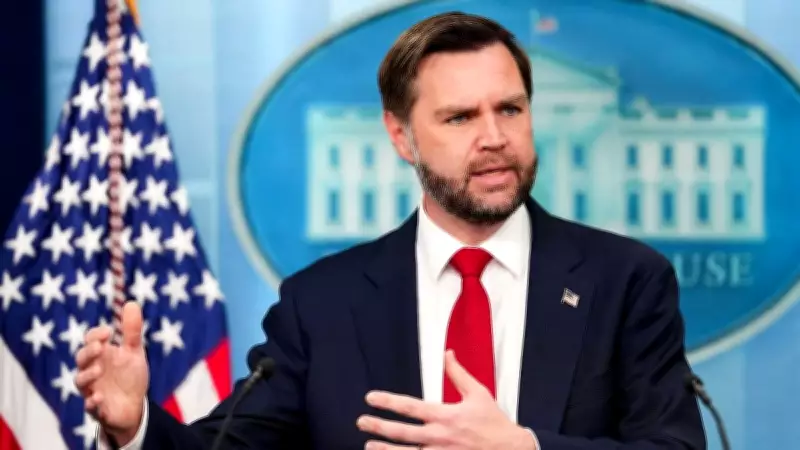
US Vice President Vance has indicated that negotiations with Iran could begin in the near future, even as Tehran issued a stark warning about the potential closure of the Strait of Hormuz. The warning comes in response to what Iran describes as violations of the truce by the United States and Israel.
Iran Threatens Strategic Waterway
Iranian officials have stated that they would shut down the Strait of Hormuz, a critical chokepoint for global oil shipments, citing ongoing breaches of the ceasefire agreement. The strait is a vital passage for about one-fifth of the world's oil supply, making any disruption a major concern for international markets.
US Vice President's Remarks
Speaking to reporters, Vice President Vance expressed optimism about the prospect of diplomatic engagement with Iran. "We expect talks with Iran to happen soon," he said, without providing a specific timeline or venue. The comments suggest a potential shift in US strategy toward resolving tensions through dialogue.

Violations Alleged
Iran has accused the US and Israel of repeatedly violating the terms of the truce, which was established to de-escalate regional conflicts. The alleged violations include military incursions and breaches of maritime boundaries. Tehran has warned that continued violations would leave it with no choice but to close the Strait of Hormuz.
Global Implications
The Strait of Hormuz is one of the world's most strategically important waterways. Any closure could trigger a sharp rise in oil prices and disrupt global energy supplies. International shipping and energy markets are closely monitoring the situation, with many calling for restraint from all parties involved.
Diplomatic Efforts
Despite the escalating rhetoric, diplomatic channels remain open. The US has not officially confirmed the timing of potential talks, but Vance's remarks indicate a willingness to engage. Analysts suggest that both sides may be positioning for negotiations while maintaining a hardline stance publicly.
Historical Context
The Strait of Hormuz has been a flashpoint in past conflicts, with Iran previously threatening to close it during periods of heightened tension. The current standoff underscores the fragile nature of the truce and the deep mistrust between Iran and the US-Israel alliance.
As the situation evolves, the international community is urging all parties to avoid actions that could lead to a broader conflict. The coming weeks will be critical in determining whether diplomacy can prevail over confrontation.






