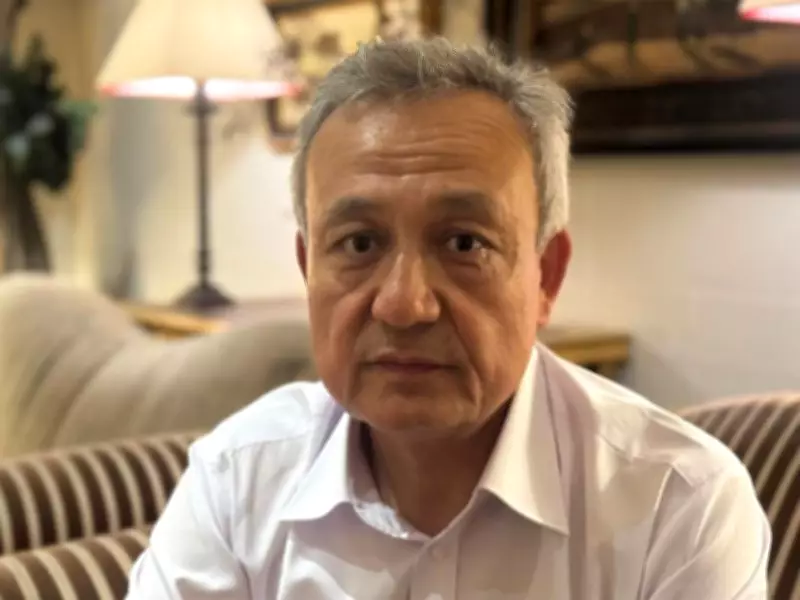
Dolkun Isa, President of the Uyghur Centre for Democracy, has urged the international community to take stronger action against China over its treatment of Uyghurs, warning that Beijing is using legislation and diplomatic influence to suppress ethnic identity and evade accountability.
Allegations of Ongoing Repression
Speaking on the sidelines of the 62nd session of the United Nations Human Rights Council (UNHRC) in Geneva, Isa stated that the situation facing Uyghurs remains 'dire,' alleging that millions continue to suffer under what he described as a campaign of repression. He accused China of using its economic and diplomatic influence to 'hide and whitewash' what he termed an ongoing genocide.
Concerns Over Ethnic Unity Law
Isa expressed particular concern over China's Ethnic Unity and Progress Law, adopted in March, claiming that despite its title, the legislation is intended to eradicate the distinct identities of Uyghurs and Tibetans. He alleged that measures such as restrictions on Uyghur-language education and the expansion of boarding schools for Uyghur and Tibetan children had already been implemented years before the law was formally adopted.

According to Isa, the legislation provides legal justification for policies that undermine ethnic and cultural identities. He urged UN member states to scrutinise the law and raise the issue at the Human Rights Council.
Transnational Repression Claims
The Uyghur activist also alleged that Beijing's campaign extends beyond China's borders through transnational repression, claiming that Uyghur activists and diaspora leaders have faced intimidation and disinformation. He said many activists have reduced their public advocacy due to concerns for relatives remaining in China's Xinjiang region.
Call for Action on UN Report
Referring to the 2022 assessment by the Office of the UN High Commissioner for Human Rights, Isa said the report's findings on possible crimes against humanity had not been followed by meaningful action. He urged member states to fulfil what he described as their legal obligation to address ongoing human rights violations and pursue follow-up measures through the Human Rights Council.