

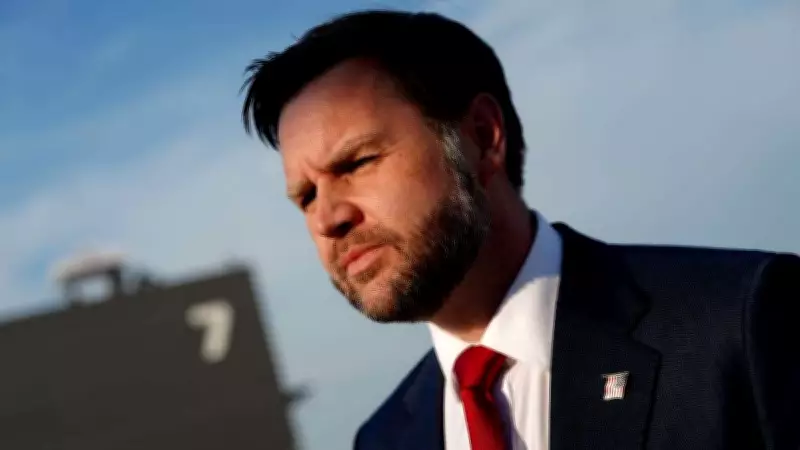
United States Vice President J.D. Vance reportedly proposed sending Indian troops to Ukraine as part of a peacekeeping mission, a suggestion that was rejected by former President Donald Trump, according to a new book. The revelation, detailed in an upcoming publication, sheds light on behind-the-scenes discussions regarding the Ukraine conflict and the potential role of neutral nations.
Vance's Proposal and Trump's Rejection
The book, authored by a journalist with access to high-level sources, claims that Vance floated the idea of deploying Indian soldiers as peacekeepers in Ukraine during a meeting with Trump. Vance argued that India's historically non-aligned and neutral stance in global conflicts made it an ideal candidate to lead a peacekeeping force. However, Trump reportedly dismissed the proposal, citing concerns over escalating tensions with Russia and the logistical challenges of involving a non-NATO country in such a role.
The proposal was part of a broader strategy to de-escalate the war in Ukraine, which has been ongoing since Russia's invasion in February 2022. Vance, known for his foreign policy views, believed that India's participation could bridge the gap between Western and Eastern blocs. Trump, on the other hand, prioritized direct negotiations with Russia and was wary of expanding the conflict's scope.

India's Neutral Stance and Potential Role
India has maintained a careful balancing act throughout the Ukraine crisis, abstaining from UN resolutions condemning Russia while also engaging in diplomatic dialogue with both sides. The country has refrained from directly criticizing Moscow, instead calling for a peaceful resolution through dialogue. This neutrality has made India a potential candidate for peacekeeping missions, though New Delhi has not officially commented on the book's claims.
According to the book, Vance's proposal included a detailed plan for Indian troops to monitor a potential ceasefire line between Ukrainian and Russian forces. The plan was reportedly discussed with Indian officials informally, but no formal request was made. Trump's rejection was based on the belief that such a move could be perceived as U.S. weakness and might complicate ongoing backchannel talks with Russia.
Reactions and Implications
The revelation has sparked mixed reactions. Some analysts argue that Indian peacekeepers could have been a neutral force acceptable to both Ukraine and Russia, given India's close ties with Moscow and its growing partnership with the West. Others question the feasibility, noting that Indian troops have limited experience in such high-stakes peacekeeping operations in a war zone with active hostilities.
Former Indian diplomat and strategic affairs expert, Amb. Rajiv Dogra, commented, "India has a strong track record in UN peacekeeping missions, but Ukraine is a different ballgame. The proposal, if true, would have required careful assessment of risks and benefits." The book also claims that the proposal was kept secret to avoid diplomatic fallout, as Russia might have viewed Indian troops as a Western proxy.
Broader Context of US-India Relations
The proposal comes at a time when US-India relations have been strengthening, particularly in defense and strategic areas. The two countries have conducted joint military exercises and deepened cooperation in the Indo-Pacific. However, India's independent foreign policy, especially its continued energy imports from Russia, has been a point of contention in Washington.
Trump's rejection of the peacekeeper plan may also reflect his administration's approach to the Ukraine war, which focused on leveraging American economic and military aid to pressure Russia, rather than deploying multinational forces. The book suggests that Trump believed direct talks with Russian President Vladimir Putin were the only viable path to ending the war.
As the world watches the ongoing conflict, the idea of Indian peacekeepers remains a hypothetical scenario. However, the disclosure highlights the complex diplomatic maneuvers behind efforts to resolve the Ukraine crisis and the potential roles that neutral nations could play in future peace processes.






