

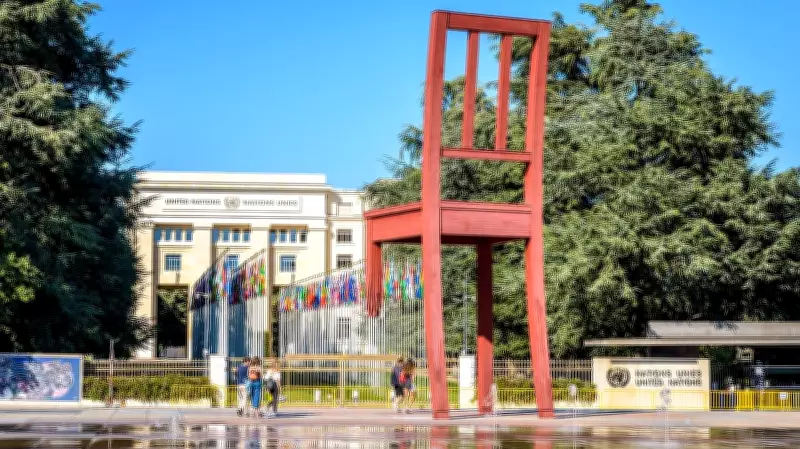
The Broken Chair: A Silent Sentinel for Peace and Reform
The iconic Broken Chair sculpture, standing defiantly in Geneva's Place des Nations, is more than just a striking piece of public art. Erected in 1997 by the NGO Handicap International, this monumental wooden chair with a shattered leg serves as a powerful metaphor for the fragility of global diplomacy and the urgent need for disarmament. As the world grapples with escalating conflicts and geopolitical tensions, the lessons embodied by this sculpture resonate more profoundly than ever, calling for introspection and action on the international stage.
A Symbol Born from Tragedy and Advocacy
Originally conceived to protest the use of landmines, the Broken Chair was installed opposite the United Nations Office at Geneva (UNOG). Its design—a massive 12-meter-tall chair with one leg brutally broken—visually represents the devastating impact of explosive weapons on civilians, particularly those who lose limbs in conflicts. The sculpture's placement was strategic, aiming to shame and pressure diplomats into signing the Ottawa Treaty, which bans anti-personnel landmines. Over time, however, its symbolism has expanded, evolving into a broader critique of the failures in global governance and the slow pace of UN reform.
Lessons for Contemporary Global Diplomacy
In today's volatile world, the Broken Chair offers several critical lessons. First, it underscores the persistent gap between diplomatic rhetoric and tangible action. Despite numerous treaties and resolutions, disarmament efforts often stall, much like the chair's precarious balance. Second, the sculpture highlights the human cost of political inertia. As conflicts rage in regions like Ukraine and the Middle East, civilians continue to suffer, mirroring the chair's representation of injury and instability. Third, it serves as a reminder that international institutions, including the UN, require structural reforms to address modern challenges effectively, from climate change to cyber warfare.

The Urgent Call for United Nations Reform
The Broken Chair's silent protest aligns with growing calls for comprehensive UN reform. Critics argue that the organization's outdated frameworks, such as the Security Council's veto power, hinder decisive action in crises. The sculpture metaphorically suggests that without addressing these structural weaknesses, global diplomacy remains unbalanced and ineffective. Recent debates have focused on:
- Enhancing representation for developing nations in decision-making bodies.
- Streamlining peacekeeping operations to prevent civilian casualties.
- Strengthening mechanisms for enforcing disarmament agreements.
These reforms are essential to restoring trust in multilateralism, much like repairing the chair's broken leg would restore its stability.
Broader Implications for International Relations
Beyond disarmament, the Broken Chair encourages reflection on broader themes in international relations. It symbolizes the fragility of peace in an era marked by rising nationalism and geopolitical rivalries. The sculpture also advocates for a more humane approach to diplomacy, one that prioritizes human security over state interests. As global challenges become increasingly interconnected, from pandemics to economic inequality, the lesson is clear: cooperative and inclusive governance is not optional but necessary for survival.
In conclusion, the Broken Chair in Geneva stands as a timeless emblem of resistance and hope. Its broken leg reminds us of the wounds inflicted by conflict, while its upright posture inspires resilience. As diplomats pass by, this sculpture urges them to move beyond broken promises and work towards a more just and peaceful world. The lessons it offers are simple yet profound: without genuine commitment to reform and disarmament, the chair of global diplomacy will remain perilously unbalanced, threatening us all.

