The International Court of Justice (ICJ), the principal judicial organ of the United Nations, has scheduled crucial hearings for a landmark case concerning the Rohingya Muslim minority. The case, brought by the West African nation of The Gambia, accuses Myanmar of committing genocide against its Rohingya population.
January Hearings Set for Preliminary Objections
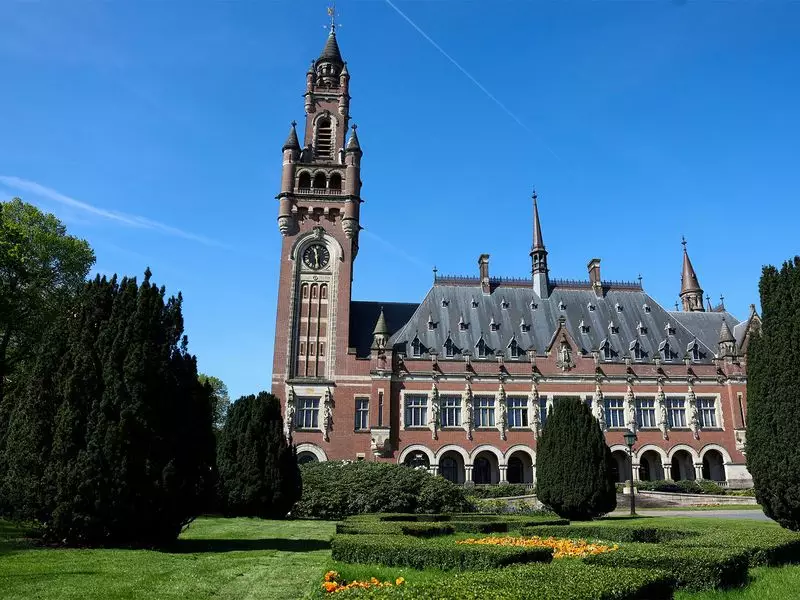
The court announced that it will convene from January 23 to January 30, 2025, to consider preliminary objections raised by Myanmar. These objections represent a legal challenge by Myanmar's military junta, which seeks to have the case dismissed before the court delves into the substantive allegations of genocide. The hearings will be held at the Peace Palace in The Hague, Netherlands, the seat of the ICJ.
This development marks a significant step in a protracted legal battle that began in November 2019. At that time, The Gambia, acting on behalf of the Organisation of Islamic Cooperation (OIC), filed a comprehensive application instituting proceedings against Myanmar. The core accusation is that Myanmar violated the 1948 Genocide Convention through a state-led campaign of violence and persecution targeting the Rohingya community in Rakhine State.

The Gambia's Case and Myanmar's Response
The Gambia's legal team has presented evidence of widespread atrocities, including mass killings, sexual violence, and the systematic destruction of villages, which forced over 740,000 Rohingya to flee to neighboring Bangladesh in 2017. The case argues that these actions were carried out with the intent to destroy the Rohingya as a group, in whole or in part, thereby constituting genocide.
In response, Myanmar's military government, which seized power in a 2021 coup, has filed preliminary objections challenging the court's jurisdiction and The Gambia's legal standing to bring the case. The junta argues that The Gambia is not a directly affected party and cannot act as a "proxy" for the international community. The January hearings will focus solely on these procedural challenges. If the court rejects Myanmar's objections, the case will proceed to the merits phase, where evidence of the alleged genocide will be examined in detail.
A Pivotal Moment for International Justice
The upcoming hearings represent a pivotal moment for international justice and accountability. The case is being closely watched by human rights organizations, world governments, and the hundreds of thousands of Rohingya refugees living in camps in Bangladesh. It tests the ability of international legal mechanisms to hold nations accountable for the most serious crimes, even when the accused state is governed by a regime that does not recognize the court's legitimacy.
Notably, this proceeding at the ICJ is a civil case between states. It is separate from the ongoing investigation by the International Criminal Court (ICC), which focuses on individual criminal responsibility for crimes against humanity allegedly committed against the Rohingya. The ICJ case seeks a ruling that Myanmar violated the Genocide Convention and demands measures including reparations and guarantees of non-repetition.
The international community remains largely united in its support for the judicial process. The hearings in January 2025 will determine whether the substantive allegations of a genocide against the Rohingya people will finally get a full hearing before the world's highest court.