

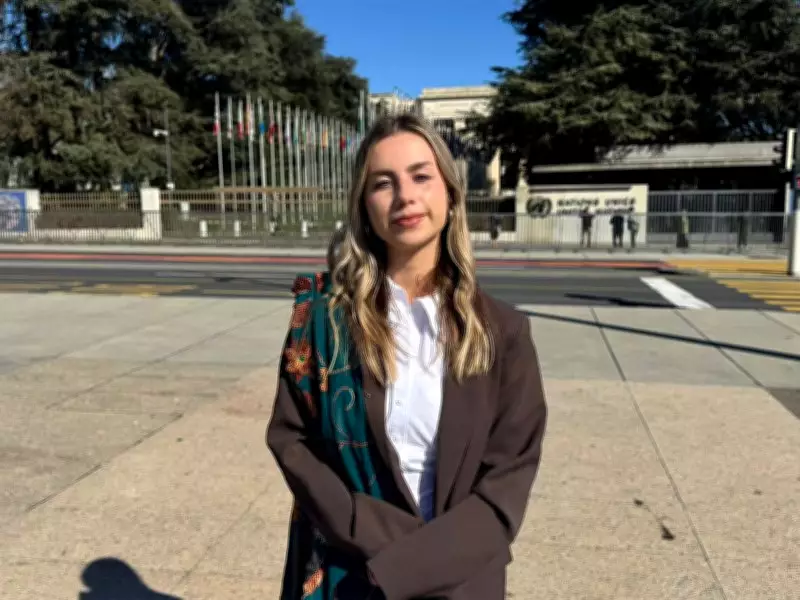
India's Grassroots Activism for Women and Girls Highlighted at UNHRC in Geneva
In a significant address at the United Nations Human Rights Council (UNHRC) in Geneva, an activist from India detailed the nation's robust grassroots efforts aimed at empowering women and girls. The presentation underscored how community-driven initiatives are fostering substantial progress in education, health, and social rights across various regions of India.
Community-Led Initiatives Driving Change
The activist emphasized that India's approach to women's empowerment is deeply rooted in local activism and participatory programs. These efforts involve:
- Educational Programs: Local organizations are working to increase school enrollment and literacy rates among girls, particularly in rural and underserved areas.
- Health and Wellness Campaigns: Grassroots groups are promoting maternal health, nutrition, and access to healthcare services for women and girls.
- Economic Empowerment: Initiatives such as skill development workshops and microfinance schemes are helping women achieve financial independence and entrepreneurship.
- Legal Awareness and Rights Advocacy: Activists are educating communities about women's legal rights, including protections against discrimination and violence.
These programs are often led by non-governmental organizations, community leaders, and volunteers who tailor interventions to address specific local challenges, ensuring relevance and effectiveness.

Success Stories from the Ground
The activist shared compelling examples of how grassroots efforts have transformed lives. In one instance, a village-based project in a remote area successfully reduced child marriage rates by over 30% through awareness campaigns and support networks. Another initiative in an urban slum improved girls' school attendance by providing safe transportation and after-school tutoring.
These successes highlight the power of localized action in achieving tangible outcomes for gender equality. The activist noted that such efforts complement national policies and international frameworks, creating a synergistic effect that accelerates progress.
Challenges and Future Directions
Despite these achievements, the activist acknowledged ongoing challenges, including:
- Resource Constraints: Many grassroots organizations face funding shortages and logistical hurdles that limit their reach and impact.
- Sociocultural Barriers: Deep-seated norms and traditions in some communities can hinder the acceptance and implementation of empowerment programs.
- Scalability Issues: While local initiatives are effective, scaling them to a national level requires coordinated support from government and private sectors.
To address these, the activist called for increased international collaboration and funding to bolster India's grassroots movements. She stressed that empowering women and girls is not only a moral imperative but also crucial for sustainable development and economic growth.
Global Implications and Recognition
The presentation at the UNHRC placed India's grassroots efforts within the global context of human rights and gender equality. By showcasing local successes, the activist aimed to inspire similar approaches in other countries facing similar issues. The UNHRC session served as a platform to highlight how bottom-up strategies can drive meaningful change, aligning with international goals such as the United Nations Sustainable Development Goals (SDGs).
In conclusion, India's grassroots activism for women and girls represents a dynamic and impactful model for empowerment. The activist's testimony in Geneva underscores the importance of community engagement in advancing human rights and sets a precedent for future initiatives worldwide.

