

Northeast India's Education Transformation Takes Center Stage at UNHRC Photo Exhibition
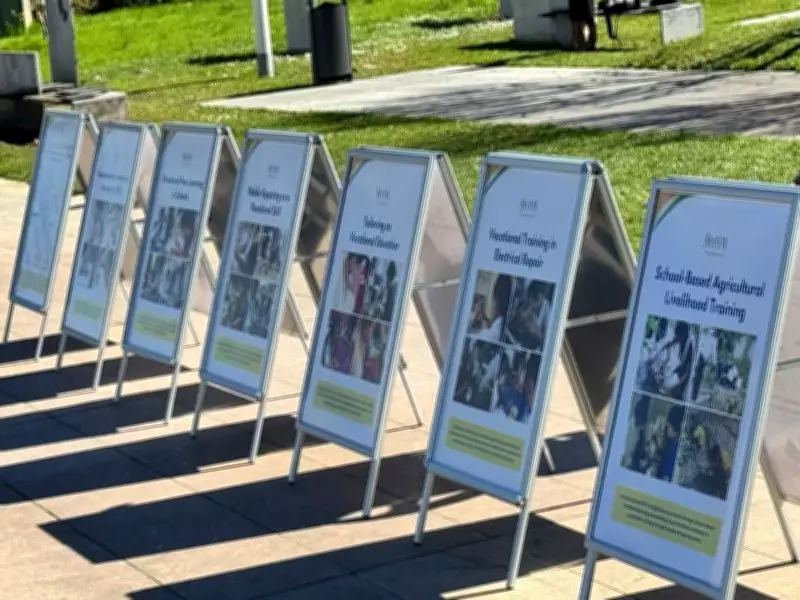
On the sidelines of the 61st session of the United Nations Human Rights Council (UNHRC) in Geneva, Switzerland, a compelling photo exhibition titled "Nai Talim 2.0: Crafting an Equitable AI Future" brought the vibrant stories of Northeast India to an international audience. Held at the iconic Broken Chair Monument, the event was organized by the Akshar Foundation, focusing on education reforms and grassroots development in the region.
Showcasing India's National Education Policy 2020
Mihir Bharali, a software architect from Assam associated with the Akshar Foundation, emphasized how India's National Education Policy (NEP) 2020 is revolutionizing the country's learning landscape. He noted that the policy aims to align India's education system with global standards while leveraging artificial intelligence to make quality education accessible to all.
Bharali highlighted that AI-driven tools are enabling students to access educational content in their native languages, helping bridge long-standing gaps in inclusivity. He also pointed to a major shift from rote learning to a more practical, skill-based approach. "The new policy encourages experiential learning, which will benefit students in their long-term professional journeys," he said.

Countering Stereotypes and Promoting Tourism
In his presentation, Bharali sought to counter stereotypes about Northeast India, describing it as a peaceful and culturally vibrant region. He encouraged global audiences to explore its tourism potential, citing popular destinations such as Kaziranga and Kamakhya.
Grassroots Implementation and Cultural Harmony
Parmita Sarma, co-founder of the Akshar Foundation, explained that the exhibition aimed to present the "lived experiences" of communities in Northeast India. She stressed that the region, home to over 200 tribes, offers a unique model of cultural harmony and coexistence.
Sarma highlighted that the foundation works closely with government schools to implement NEP 2020 at the grassroots level. "The policy is inclusive and goes beyond academics, focusing on hands-on skills that are essential in an AI-driven future," she said, adding that early exposure to vocational skills can help children build sustainable livelihoods.
Developmental Strides in the Northeast
The exhibition also showcased various developmental initiatives in Northeast India, including:
- Digital literacy programs aimed at enhancing technological access.
- Vocational education projects to equip students with practical skills.
- Community-led models designed to reduce school dropout rates.
These efforts underscore the region's commitment to fostering inclusive growth and preparing its youth for a rapidly evolving global economy.

