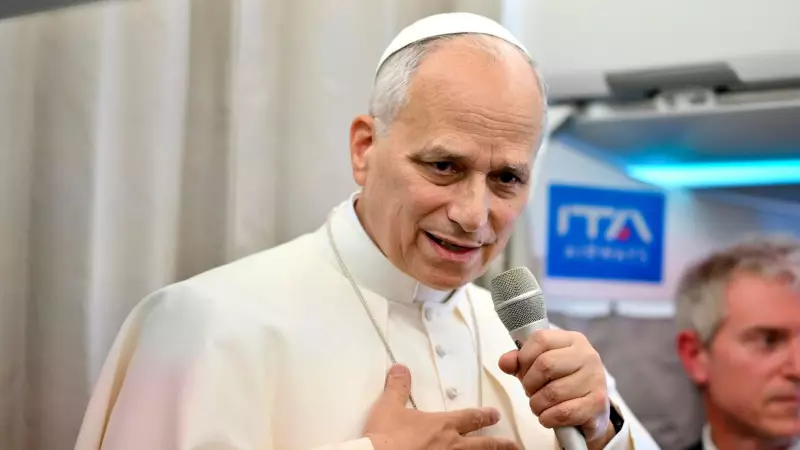
In a significant diplomatic intervention, Pope Francis has publicly called on the United States to refrain from any military action aimed at removing Venezuelan President Nicolas Maduro from power. The pontiff's appeal underscores the Vatican's deep concern over the potential for escalated conflict in the Latin American nation, which has been mired in a prolonged political and economic crisis.
The Vatican's Call for Restraint and Dialogue
The Pope's remarks were made during an in-flight press conference while returning from his apostolic journey to Mongolia. When questioned about the situation in Venezuela, Pope Francis explicitly urged the United States to avoid pursuing a military solution. He emphasized the critical need for dialogue and negotiation as the only viable path forward to address the complex challenges facing the country.
This statement from the head of the Catholic Church comes amidst ongoing tensions and a severe humanitarian situation in Venezuela. The nation has witnessed years of political standoff between the government of Nicolas Maduro and the opposition, led by figures like Juan Guaido, who has been recognized as interim president by the United States and several other nations. The economic collapse has forced millions to flee, creating a regional migration crisis.

Context of the Venezuela Crisis and International Stance
The Vatican has a history of attempting to facilitate dialogue in Venezuela. In the past, it has hosted and supported talks between the government and the opposition, though these efforts have often stalled without a lasting political resolution. The Pope's latest comments reinforce the Holy See's consistent position favoring peaceful, negotiated settlements over confrontation or external intervention.
The United States has maintained a firm policy of pressure against the Maduro regime, implementing extensive economic sanctions and supporting the opposition. While the U.S. has not officially declared a policy of military intervention, the possibility has been a subject of speculation and concern within the international community, especially given the history of foreign involvement in the region.
Pope Francis's appeal is directed at preventing any escalation that could lead to violence and further suffering for the Venezuelan people. He highlighted the importance of allowing the Venezuelans themselves to find a peaceful way out of the crisis, with international support focused on mediation rather than force.
Implications for Diplomacy and the Path Forward
The Pope's intervention carries moral weight and places the spotlight back on diplomatic channels. By calling for the avoidance of military action, he is advocating for a renewal of sincere negotiation efforts. His stance is likely to resonate with other nations and international bodies that are also cautious about the use of force.
The ongoing crisis in Venezuela remains one of the most pressing geopolitical issues in the Western Hemisphere. The country sits on the world's largest oil reserves, yet its population grapples with hyperinflation, shortages of basic goods, and a collapsed healthcare system. A military conflict would almost certainly exacerbate this humanitarian disaster.
As the spiritual leader of over a billion Catholics worldwide, Pope Francis uses his platform to champion peace and social justice. His comments on Venezuela are part of a broader pattern of speaking out on global conflicts, from Ukraine to the Middle East. The call to the United States is a clear message that solutions must be sought at the negotiating table, not on the battlefield. The international community now watches to see how this influential plea for restraint will influence the strategies of key players involved in the Venezuela stalemate.