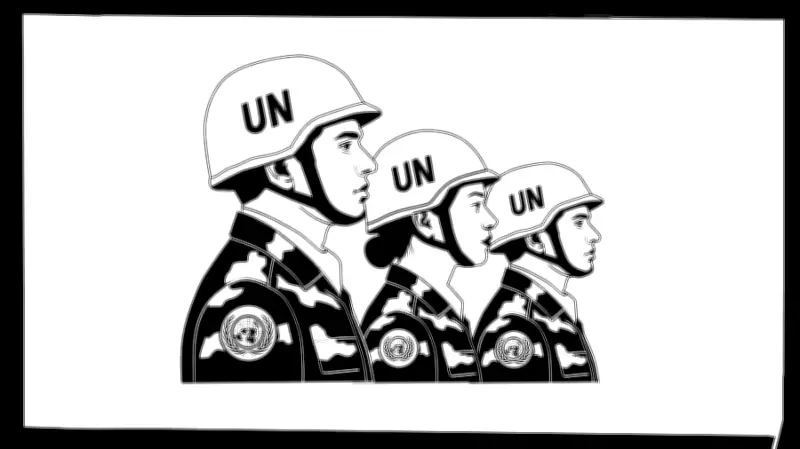
The Quiet Legacy of the Peacekeeper
The United Nations peacekeeping missions have long been a cornerstone of international efforts to maintain peace and security. Often operating in the shadows of more dramatic geopolitical events, these blue-helmeted soldiers and civilian personnel have quietly contributed to stability in some of the world's most volatile regions.
Origins and Evolution
UN peacekeeping began in 1948 with the deployment of military observers to the Middle East. Since then, it has evolved into a complex instrument of conflict resolution, involving not just military personnel but also police, engineers, medical staff, and human rights experts. The missions are guided by principles of consent, impartiality, and non-use of force except in self-defense.
Challenges on the Ground
Peacekeepers face numerous challenges, including hostile environments, limited resources, and complex political landscapes. They often operate in areas where there is no peace to keep, requiring them to protect civilians and support fragile ceasefires. The rise of non-state actors and asymmetric warfare has further complicated their tasks.

Successes and Criticisms
Despite criticisms of inefficiency and misconduct, UN peacekeeping has notable successes. In countries like Liberia, Sierra Leone, and East Timor, peacekeepers helped end civil wars and facilitate democratic transitions. However, failures in Rwanda, Bosnia, and South Sudan highlight the limitations of international intervention.
Human Cost
Over 4,000 peacekeepers have lost their lives since 1948, a testament to the dangers they face. The sacrifice of these individuals often goes unnoticed by the global public, yet their contributions are vital to the fabric of international peace.
The Future of Peacekeeping
As conflicts become more protracted and complex, the UN is reforming its peacekeeping architecture. Emphasis is being placed on political solutions, better training, and accountability. The quiet legacy of the peacekeeper is not just in the past but in the ongoing commitment to a more peaceful world.
In conclusion, while the headlines often focus on conflict and war, the steady work of UN peacekeepers remains a beacon of hope. Their legacy is not loud or boastful but is etched into the lives they have saved and the peace they have nurtured.