

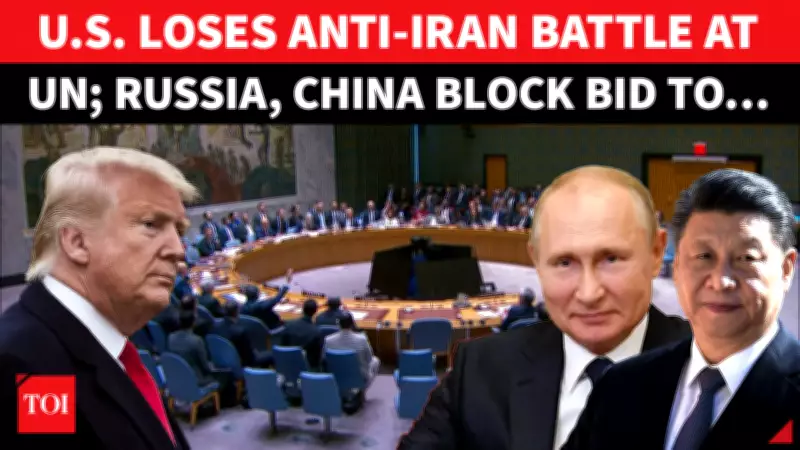
Russia and China Block UN Resolution on Strait of Hormuz Security
In a significant diplomatic move, Russia and China have jointly vetoed a United Nations Security Council resolution designed to enhance the security of commercial shipping through the Strait of Hormuz. This action represents a major setback for United States-led initiatives aimed at stabilizing one of the world's most vital energy corridors.
Details of the Proposed Resolution
The resolution, which was proposed to address growing concerns over maritime safety, sought to implement enhanced international measures to safeguard navigation in the strait. This initiative came in response to a rising number of attacks on tankers and increasing disruptions to maritime traffic, which have threatened global energy supplies and economic stability.
The proposed measures included:

- Increased international monitoring of shipping lanes
- Coordination among nations to protect commercial vessels
- Mechanisms to respond swiftly to security threats
Opposition from Moscow and Beijing
Moscow and Beijing opposed the resolution, expressing concerns that it could escalate existing conflicts in the region. Both nations warned that the proposed measures might justify an expanded military presence, potentially leading to further instability.
Russian and Chinese diplomats argued that the resolution could undermine diplomatic efforts and increase tensions rather than promote peace. They emphasized the need for dialogue and political solutions over military interventions.
Implications of the Veto
The veto highlights deep divisions among major global powers regarding the appropriate response to the crisis in the Strait of Hormuz. This strategic waterway is crucial for the transportation of oil and gas, making its security a matter of international concern.
The failure to pass the resolution leaves commercial shipping vulnerable to ongoing threats and complicates efforts to ensure safe passage. It also underscores the challenges in achieving consensus on security issues within the UN Security Council, where geopolitical rivalries often influence decision-making.
This development is likely to impact global energy markets and diplomatic relations, as nations reassess their strategies for maintaining stability in the region. The US and its allies may now explore alternative avenues to address security concerns, while Russia and China continue to advocate for their preferred approaches.

