

Sambhali Trust Amplifies Voices of Desert Daughters and Asylum Seekers at UN Human Rights Council
During the 61st session of the United Nations Human Rights Council (UNHRC) in Geneva, Switzerland, the Sambhali Trust brought critical attention to the struggles and resilience of India's desert communities and cross-border asylum seekers. The organization, founded by Govind Singh Rathore, emphasized themes of displacement, dignity, and grassroots empowerment in its advocacy efforts.
Grassroots Mission and Global Advocacy
Established in 2007 and granted UN ECOSOC consultative status in 2015, the Sambhali Trust has a core mission focused on supporting women, children, and gender minorities through vocational training, primary education, and holistic development programs. Originally based in Rajasthan, the Trust has expanded its reach to international platforms, using events like the UNHRC to highlight underreported issues.
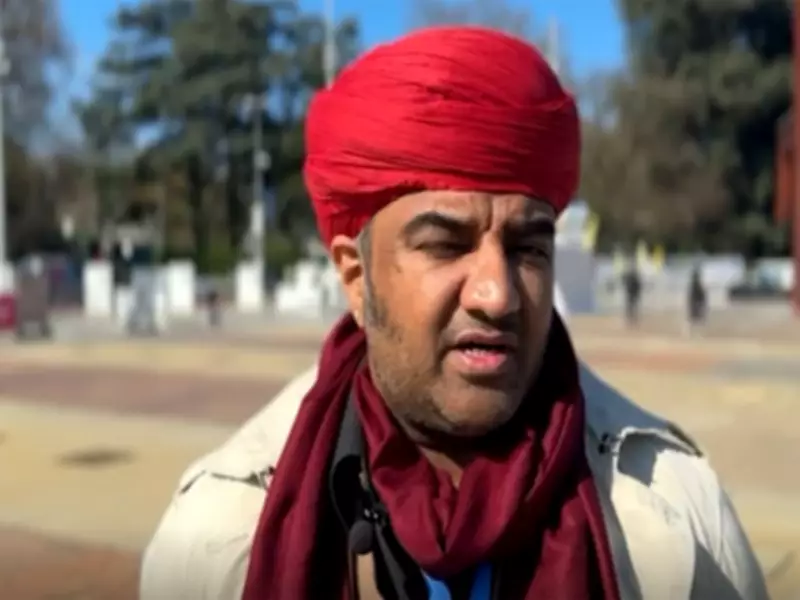
Govind Singh Rathore addressed the council, shedding light on the plight of asylum seekers arriving in Jaisalmer from Pakistan. He described how these families undertake perilous journeys across the Thar Desert, often without adequate food or water, in search of safety and dignity. According to Rathore, many migrants express that, despite the hardships faced, living peacefully with dignity in India is preferable to the suffering they leave behind.

Events and Initiatives in Geneva
To further amplify these narratives, the Sambhali Trust organized two key events in Geneva. On March 24, a photo exhibition titled "Desert Daughters of India" will showcase visual stories of women who have crossed borders under extreme conditions. This will be followed by a side event on March 26, featuring a film screening and the launch of a publication that documents their experiences in detail.
Tasha Mauricette Stoppler, a volunteer representing the Trust, emphasized the importance of addressing minority rights on a global scale. She highlighted the organization's grassroots approach in Rajasthan, where it works closely with marginalized women and children to understand their specific needs and provide tailored support.
Focus on Tangible Action and International Visibility
Stoppler noted that Sambhali's work extends beyond mere recognition, focusing on tangible actions to uplift communities. She reiterated the crucial role of international platforms like the UNHRC in raising visibility for issues affecting gender minorities and vulnerable populations, which are often overlooked in mainstream discourse.
Through its participation in the UNHRC, the Sambhali Trust aims to bridge local realities with global advocacy, urging the international community to acknowledge the resilience and aspirations of those seeking a safer and more dignified future. This effort underscores the Trust's commitment to empowering marginalized groups through both local initiatives and international engagement.

