

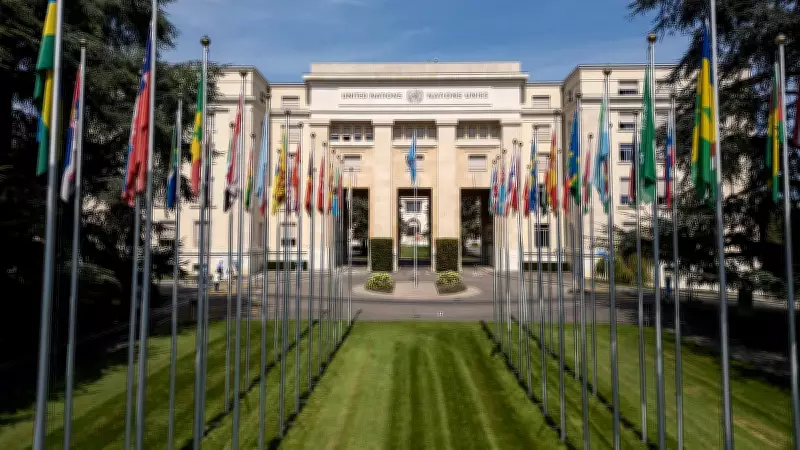
Two Women Leaders Compete for United Nations Secretary-General Role
In a significant development for global governance, two distinguished women leaders have emerged as strong contenders for the position of the next Secretary-General of the United Nations. This high-stakes competition marks a potential historic moment, as it could lead to the appointment of a female leader to one of the world's most influential diplomatic roles.
Contenders in the Fray
The race for the UN's top job has intensified, with both candidates bringing extensive experience in international affairs and public service. While specific names have not been officially disclosed in all reports, sources indicate that these leaders hail from diverse geopolitical backgrounds, reflecting the UN's commitment to global representation.
One candidate is known for her work in conflict resolution and sustainable development, having served in senior roles within international organizations. Her tenure has been marked by efforts to promote peace and economic stability in volatile regions.

The other candidate has a background in diplomacy and human rights advocacy, with a track record of navigating complex multilateral negotiations. She has been instrumental in advancing gender equality and climate action on the global stage.
Historical Context and Significance
The United Nations has had nine Secretaries-General since its inception in 1945, all of whom have been men. A female appointment would break this long-standing tradition, aligning with the UN's own goals for gender parity and inclusive leadership.
This election process is closely watched by member states and civil society groups worldwide, as the Secretary-General plays a crucial role in shaping international responses to crises, from conflicts and pandemics to climate change and economic disparities.
Selection Process and Challenges
The selection of the UN Secretary-General involves a multi-layered process:
- Nomination by member states, often through discreet diplomatic channels.
- Consideration by the UN Security Council, particularly the five permanent members (China, France, Russia, the United Kingdom, and the United States).
- Final approval by the UN General Assembly.
Key challenges in this race include:
- Navigating geopolitical tensions among major powers.
- Addressing calls for greater transparency in the selection process.
- Balancing regional representation with merit-based criteria.
Implications for Global Diplomacy
The potential election of a woman as Secretary-General could have far-reaching effects:
- It may inspire greater participation of women in international leadership roles.
- It could bring fresh perspectives to peacekeeping and humanitarian efforts.
- It might strengthen the UN's credibility in promoting gender equality globally.
As the world faces unprecedented challenges, the leadership of the United Nations is more critical than ever. The outcome of this contest will not only define the organization's direction but also signal the international community's commitment to diversity and effective multilateralism.

