

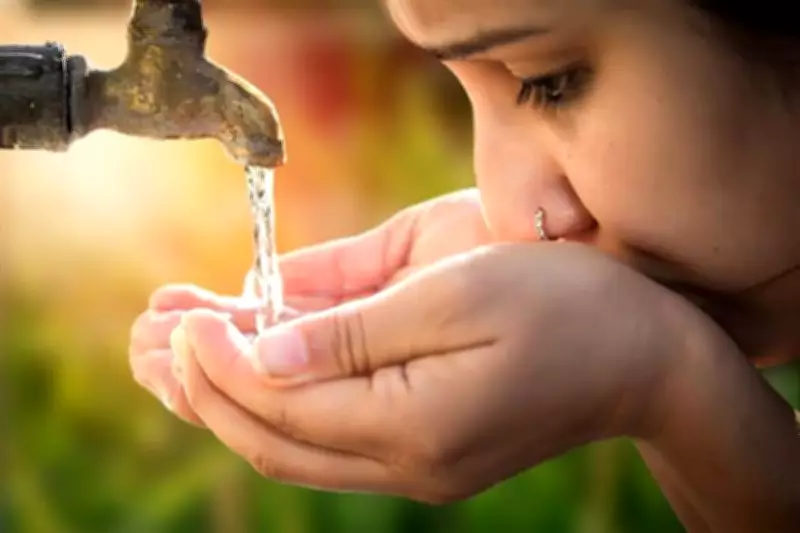
UN Report Exposes Global Drinking Water Crisis, Highlights Severe Impact on Women
A staggering 2.1 billion people worldwide lack access to safely managed drinking water, according to the latest United Nations World Water Development Report. The findings, released on World Water Day, underscore a persistent global crisis that disproportionately burdens women and girls, exacerbating gender inequalities and hindering sustainable development.
Women Bear the Heaviest Burden in Water Collection and Sanitation
The report details that women and girls collectively spend an estimated 250 million hours each day collecting water. This immense time commitment robs them of opportunities for education, leisure, and income-generating activities, perpetuating cycles of poverty and disempowerment.
"Women and girls are most often responsible for collecting and managing water for their households, exposing them to physical strain, lost education and livelihoods, health risks, and heightened vulnerability to gender-based violence — particularly where services are unsafe or unreliable," the report states.

Sanitation Deficiencies Disproportionately Affect Women and Girls
Poor sanitation facilities, especially in urban slums and rural areas, have a severe and unequal impact. The lack of toilets and water for menstrual hygiene leads to shame and significant absenteeism from school and work. Between 2016 and 2022, an estimated 10 million adolescent girls (aged 15-19) across 41 countries missed school, work, or social activities due to these challenges.
Systemic Exclusion from Water Governance and Management
Despite their central role in household water provision, agriculture, and community resilience, women remain systematically underrepresented in water governance, financing, utilities, and decision-making processes. The report links this exclusion to broader gender inequalities in land and property ownership.
"Gender inequalities in land and property ownership directly impact women’s access to water. Water rights are often linked to land rights, directly impacting the availability of water for productive uses such as farming," the report explains. In some countries, men own twice as much land as women, further marginalizing women in water-related decisions.
Climate Change Intensifies Gender Disparities
The UN report warns that climate change, water scarcity, and hydro-meteorological disasters are exacerbating existing gender inequalities, particularly in water-stressed and disaster-prone regions. Gender is a key determinant of vulnerability, influencing exposure to risks and access to early-warning systems and recovery support.
The economic impact is stark: a 1°C rise in temperature reduces incomes in female-headed households by 34% more than in male-headed households. Additionally, women’s weekly labor hours increase by an average of 55 minutes relative to men due to these environmental pressures.
Calls for Action and Inclusive Water Management
Khaled El-Enany, UNESCO Director-General, emphasized that ensuring women’s participation in water management and governance is crucial for progress and sustainable development. "We must step up efforts to safeguard women and girls’ access to water. When women have equal access to water, everyone benefits," he said.
The UN has urgently called on countries to address these imbalances, which lead to poorer health, worse educational prospects for women, and broader impacts on food security. The report serves as a critical reminder that achieving global water security requires tackling deep-seated gender inequalities head-on.

