

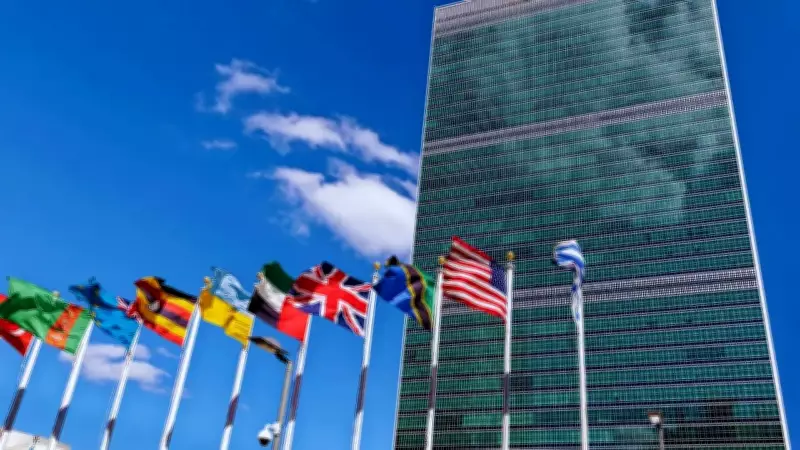
The United Nations Headquarters: New York's Global Diplomatic Hub
New York City is globally renowned for its iconic skyscrapers, the financial powerhouse of Wall Street, the dazzling lights of Broadway, and the sprawling greenery of Central Park. As one of the world's most influential urban centers, it wields immense economic and cultural power. However, beyond this well-known facade lies a lesser-known yet profoundly significant distinction: the city hosts a site often described as having an international status within the United States.
This place is the United Nations Headquarters, situated along the East River in Midtown Manhattan. Since its establishment in the early 1950s, this complex has served as the diplomatic heart of the modern world. Here, leaders, ambassadors, and representatives from across the globe convene to address humanity's most pressing challenges, from conflicts and peacekeeping missions to climate change, migration, poverty, health emergencies, and human rights issues. Many of the planet's most critical conversations unfold within this New York landmark, shaping global policies and actions.
Is It Truly International Territory?
While the term "international territory" is commonly used, the legal reality is more nuanced. The UN Headquarters is not an independent state embedded within New York City, which remains part of the United States. Instead, its unique status stems from the 1947 Headquarters Agreement between the United Nations and the United States. This accord grants the headquarters a special legal framework, allowing it to function independently with specific privileges and immunities. In many respects, the site is treated as inviolable territory, meaning access is restricted to authorized personnel only, such as officials with permission from UN administrators.

This arrangement explains why the phrase "international territory" persists in popular discourse, despite its technical inaccuracy. The headquarters operates under a hybrid legal regime that balances sovereignty with diplomatic necessity, making it a unique entity in global governance.
Why Was New York Chosen for the UN Headquarters?
After World War II, the United Nations sought a permanent base to facilitate its operations. Numerous cities were considered, but New York emerged as the preferred location due to its unparalleled international connections and symbolic significance. A pivotal factor was the philanthropic contribution of John D. Rockefeller Jr., who donated funds to acquire the land in Manhattan. Construction commenced swiftly, and the complex opened in phases by 1951, quickly becoming a worldwide symbol of diplomacy and international cooperation.
What Structures Comprise the UN Headquarters?
The UN Headquarters is not a single building but a collection of key structures, each serving distinct functions:
- The General Assembly Hall: Where all member nations gather for meetings and voting on resolutions.
- The Security Council Chamber: The venue for debates on matters of war, peace, and international sanctions.
- The Secretariat Building: An iconic glass tower housing administrative offices and staff.
- Conference Rooms: Used for negotiations, summits, and policy discussions on global issues.
Externally, the complex features rows of national flags representing member states, creating one of the area's most photographed vistas. This visual display underscores the organization's inclusive and multinational character.
Can Tourists Visit the UN Headquarters?
Yes, the United Nations Headquarters welcomes tourists, offering a rare opportunity to step inside a globally significant diplomatic center. Depending on schedules and security conditions, visitors can typically:

- Join guided tours of public areas to learn about the UN's history and mission.
- View exhibitions focused on peace, sustainability, and humanitarian efforts.
- Access selected chambers, such as the General Assembly Hall, when available.
- Explore the visitor center and gift shop for souvenirs and educational materials.
- Stroll around the exterior plaza to admire the flags and architecture.
However, accessibility may vary due to scheduled meetings, special events, renovations, or security protocols. Prospective visitors are advised to check official sources for up-to-date information before planning their trip.
The Global Impact of This Unique Landmark
Few addresses worldwide carry such profound significance. Decisions made within the UN Headquarters directly influence peacekeeping operations, humanitarian aid distribution, environmental treaties, refugee policies, and international law development. During crises, global attention often fixates on developments behind the closed doors of these Manhattan meeting halls, highlighting the site's pivotal role in shaping world affairs.
While many major cities host embassies, New York City holds the distinct privilege of housing the permanent home of a premier world organization. This makes the United Nations Headquarters not just a tourist attraction but a cornerstone of international diplomacy, embedded in the heart of one of America's most vibrant metropolises.
