

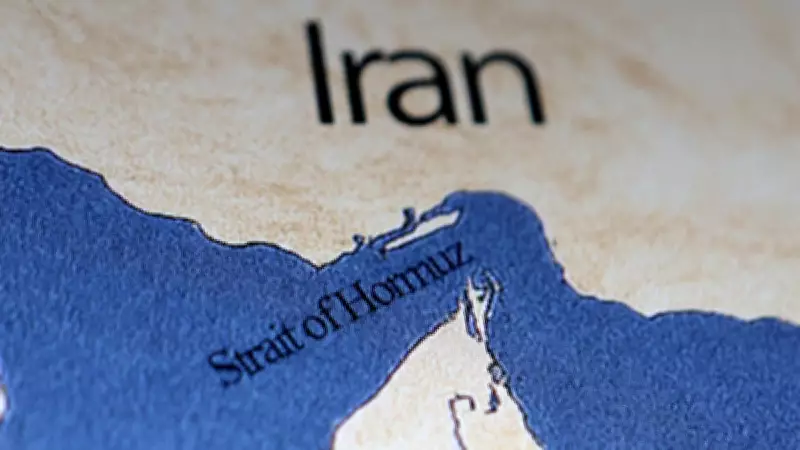
UN Warns of Global Food Price Surge and Cost-of-Living Crisis if Strait of Hormuz Closes
The United Nations has issued a stark warning about the potential for significant disruptions to global food prices and cost-of-living pressures if the strategic Strait of Hormuz is shut down. This narrow maritime passage, located between the Persian Gulf and the Gulf of Oman, is a vital artery for international trade, handling approximately a quarter of the world's seaborne oil shipments.
Critical Role of the Strait in Global Energy and Fertilizer Trade
Beyond oil, the Strait of Hormuz is also a major conduit for liquefied natural gas (LNG) and fertilisers, which are essential components in global agricultural supply chains. The closure of this chokepoint could severely impact the availability and cost of these key resources, leading to widespread economic repercussions.
The United Nations emphasizes that any disruption to traffic through the Strait could trigger a cascade of inflationary effects. Higher transportation costs and supply shortages would likely drive up prices for consumers worldwide, exacerbating existing cost-of-living challenges in many regions.

Potential Impacts on Global Markets and Inflation
Analysts point out that the Strait's strategic importance makes it a focal point for geopolitical tensions, particularly involving Iran and the United States. Any escalation in conflicts or political instability in the area could prompt a shutdown, with dire consequences for global markets.
The warning comes amid ongoing concerns about inflation and economic stability. The UN's alert underscores the interconnectedness of global trade and the vulnerability of supply chains to geopolitical risks.
- Approximately 25% of global seaborne oil trade passes through the Strait of Hormuz.
- Significant volumes of liquefied natural gas and fertilisers are also transported via this route.
- A shutdown could lead to sharp increases in food and energy prices globally.
- The United Nations calls for international cooperation to mitigate these risks.
In summary, the United Nations' warning highlights the critical need for diplomatic efforts to ensure the free flow of trade through the Strait of Hormuz. Failure to address these risks could result in severe economic hardships, including higher food prices and increased cost-of-living pressures for populations around the world.

