

UN Human Rights Council Confronted with Allegations of Brutal Crackdown in PoJK
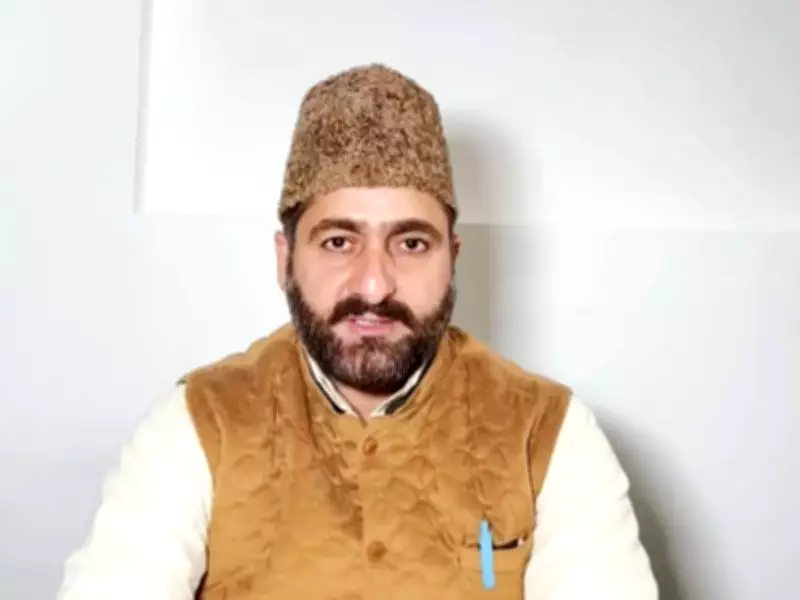
During the ongoing 61st session of the United Nations Human Rights Council (UNHRC) in Geneva, Switzerland, a stark intervention has brought to light severe concerns regarding the handling of protests in Pakistan-occupied Jammu and Kashmir (PoJK). The oral statement, delivered by Kashmiri activist Javad Ahmad Beigh, accused Pakistani authorities of employing disproportionate and violent measures against peaceful demonstrators, leading to tragic civilian casualties.
Details of the Alleged Violence and Civilian Toll
Beigh highlighted the case of Anzar Javed Bhatti, a mathematics teacher who was fatally shot on October 1, 2025, in Muzaffarabad while participating in a non-violent civic protest. According to the intervention, Bhatti was unarmed and has since become a symbol of the extreme risks faced by civilians exercising their democratic rights to lawful expression and assembly.
The protests were organized by the Jammu and Kashmir Joint Awami Action Committee, a broad coalition representing various professional and civil society groups. Demonstrators had presented a 38-point charter of demands focusing on critical socio-economic issues, including:

- Improved access to education and healthcare services
- Fair electricity tariffs despite local hydropower generation
- Enhanced infrastructure development
- Equitable food subsidies
Beigh emphasized that these demands are legitimate and align with fundamental human rights standards, yet the response from authorities was reportedly harsh and militarised.
Militarised Response and International Law Violations
The intervention alleged that Pakistani authorities deployed over 2,000 police personnel from Punjab and 167 platoons of the Federal Constabulary, effectively turning the region into a militarised zone. This heavy-handed approach, involving the use of live ammunition, resulted in at least nine civilian deaths and numerous injuries during the protests.
Beigh asserted that such actions constitute a clear failure by Pakistan to meet its obligations under the International Covenant on Civil and Political Rights. Specifically, he pointed to violations of:
- The right to life
- Freedom from inhuman or degrading treatment
- Freedom of expression
- The right to peaceful assembly
Broader Patterns and Calls for International Action
Warning of a disturbing pattern, Beigh stated that peaceful protests in the region are consistently met with militarised responses, while accountability for state actions remains conspicuously absent. He urged the Human Rights Council to take serious note of the situation and address what he termed a culture of impunity.
Beigh cautioned that continued inaction by the international community could embolden further human rights violations and undermine global norms. He appealed for a closer examination of the human rights situation in Pakistan-occupied Jammu and Kashmir to ensure that fundamental freedoms are protected in accordance with international law.
The intervention at the UNHRC session underscores growing international scrutiny over the treatment of protesters in PoJK and raises pressing questions about Pakistan's adherence to human rights commitments.

