A devastating US military operation in the Venezuelan capital of Caracas has resulted in a significant loss of life and the capture of the country's leader, Nicolás Maduro. According to Venezuelan Interior Minister Diosdado Cabello, the assault has left at least 100 people dead and a similar number wounded. The operation, which took place on Wednesday, 8th January 2026, has plunged the nation into crisis and drawn sharp international condemnation.
Operation Details and Human Cost
Speaking on state television, Interior Minister Diosdado Cabello provided the grim casualty figures, describing the attack as "terrible" for the country. The operation targeted the leadership, leading to the apprehension of President Nicolás Maduro and his wife, Cilia Flores. Both were injured during the incident but are reported to be recovering. Following their transfer to the United States, Maduro and Flores were seen walking without assistance during a court appearance in New York.
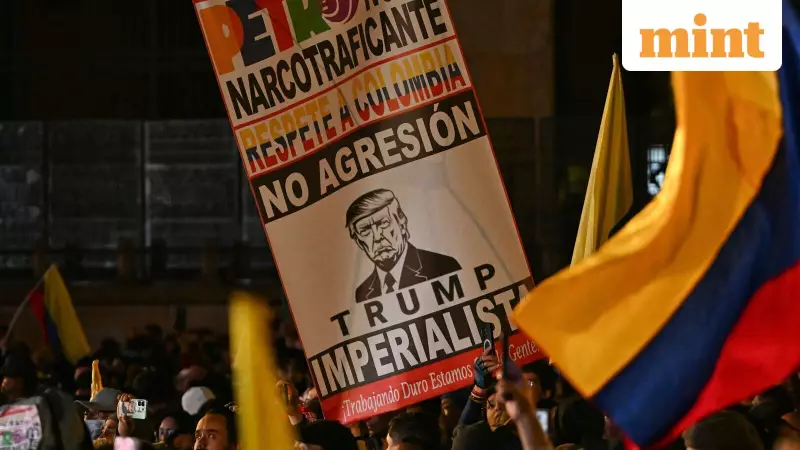
The action has been vehemently denounced by Venezuelan officials as a blatant attack on national sovereignty. In response, government supporters took to the streets of Caracas in a massive pro-government rally. Protesters marched from Ali Primera Park to Plaza O’Leary, demanding the release of Maduro and his wife and condemning US intervention.

US Moves to Control Venezuelan Oil Indefinitely
Amid the escalating tensions, the United States confirmed a major strategic move. The White House announced plans to assume indefinite control over Venezuela's crucial oil exports. This follows the US military's seizure of an estimated 50 million barrels of Venezuelan crude oil that was stranded in tankers and storage facilities.
US Energy Secretary Chris Wright stated that Washington would oversee all future crude sales from Venezuela, with the stated intention of using the proceeds for the Venezuelan people. "We’re going to market the crude coming out of Venezuela," Wright said, indicating that the US would first sell the stockpiled oil and then continue to market Venezuela's ongoing production.
The administration has already signaled its intent to sell up to $3 billion worth of this seized Venezuelan oil on the global market.
Geopolitical Fallout and Tanker Seizures
The situation has taken on a broader geopolitical dimension with the seizure of international tankers. US authorities captured the Russian-flagged tanker Marinera (formerly the Bella 1), which was en route from Iran to Venezuela before diverting into the Atlantic. This vessel is believed to be part of a shadow fleet moving oil for Russia, Iran, and Venezuela.
A second tanker, the Sophia, was later seized in the Caribbean. These actions have significantly raised the risk of confrontation, especially with reports that Russia had dispatched a submarine to protect one of the vessels.
US Secretary of State Marco Rubio commented on the negotiations, stating that Venezuela's interim leadership, led by acting president Delcy Rodríguez, had requested the seized oil cargoes be part of talks with Washington. He emphasized that the interim government understands collaboration with the US is necessary to move oil and prevent economic collapse.
Back in Venezuela, officials like Caracas government head Nahum Fernández and Minister Angel Prado called for revolutionary unity, insisting that political authority remains with Maduro's Chavismo movement. Prado declared, "In Venezuela, Maduro rules ... and if Chavismo doesn't rule here, nobody rules here." The country now faces an uncertain future under de facto US control of its primary economic resource while its captured leader faces trial abroad.