

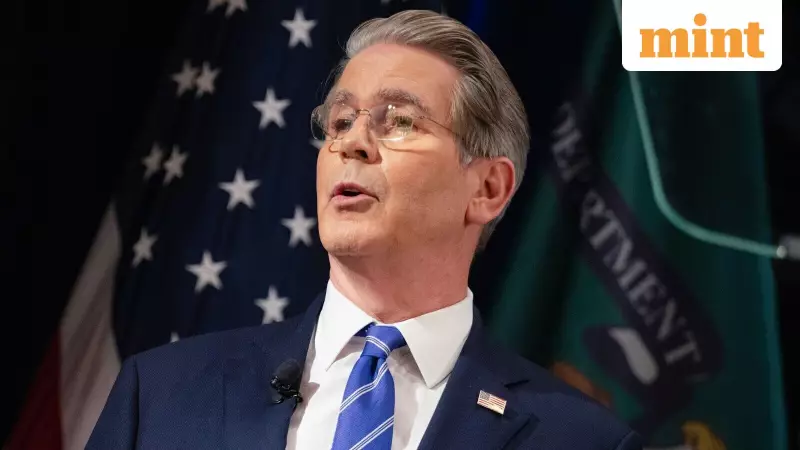
In a significant announcement for American taxpayers and the economy, US Treasury Secretary Scott Bessent has revealed that the federal tax filing season for 2026 will commence earlier than usual. This move is positioned as a strategic economic stimulus.
An Early Start to the Tax Season
Speaking at the Economic Club of Minnesota on Thursday, January 9, Secretary Bessent declared that the Internal Revenue Service (IRS) will begin accepting tax returns for the 2026 season on January 26. This date marks one of the earliest starts to the annual filing process in the last ten years.
Bessent explained the rationale behind this decision, stating it would act as a tailwind for the US economy. The accelerated timeline is designed to ensure that the benefits stemming from Republican-passed tax breaks reach the pockets of American families and businesses more swiftly. "The early start to the tax season will help flow the benefits of recent tax legislation directly to American families and businesses," he affirmed during his address.

A Call for Federal Reserve Cooperation
Beyond tax policy, the Treasury Secretary's remarks extended to monetary policy. Bessent issued a clear call to the Federal Reserve, urging the central bank to maintain an "open mind" when deliberating on future interest rate decisions.
He emphasised the need for active support from the Fed to spur investment across the nation. "The Federal Reserve must do its part to help spur investment," Bessent said, highlighting the importance of coordinated policy measures between the Treasury and the central bank to sustain the current pace of economic growth.
Broader Economic Context and Implications
This announcement comes at a critical juncture, as economists and policymakers engage in ongoing debates over the path of interest rates. The Federal Reserve is preparing for its next policy meeting later this month, where these discussions will be central.
Bessent's comments reinforce the official stance of the Treasury Department. The position is that a combination of fiscal measures—like early tax refunds—and supportive monetary policy from the Fed can collectively stimulate higher levels of investment and consumer spending in 2026.
The key expected outcomes of this early filing season include:
- Faster disbursement of tax refunds to millions of Americans.
- Increased consumer spending power at the start of the year.
- Enhanced cash flow for businesses, encouraging reinvestment.
This proactive approach underscores the administration's focus on using all available policy levers to foster a robust economic environment for the coming year.






