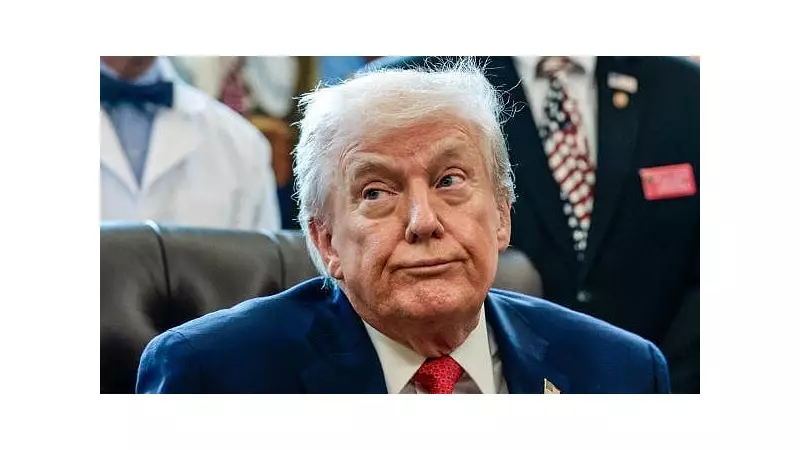
The recent actions by the United States administration under former President Donald Trump towards Venezuela have sent shockwaves across the globe. The move, executed on 06 January 2026, has sparked intense speculation and concern. Experts and diplomats now fear this is not an isolated incident. Instead, it may signal the beginning of a wider campaign aimed at forcefully reshaping the balance of power in the Western Hemisphere and beyond through a mix of military pressure and economic coercion.
Decoding the Venezuela Precedent
The decisive step against Venezuela served as a stark demonstration of the administration's willingness to employ assertive tactics. This has established a worrying precedent for international relations. Analysts are now scrutinising a map of potential nations that could find themselves in the crosshairs of a similar strategy. The core question is no longer about a single country but about a broader goal to reshape regional power dynamics. The use of force and pressure in Venezuela is seen by many as a template that could be applied elsewhere, depending on Washington's strategic interests.
Potential Targets on the Geopolitical Chessboard
Several countries are now being discussed as possible future focal points for this aggressive foreign policy approach. The speculation centres on nations that have historically had complex or adversarial relationships with the United States.

Cuba stands out as a prime candidate. The island nation, just 90 miles from Florida, has been a long-standing subject of US pressure through decades of embargo. A Trump administration could seek to dramatically intensify this pressure, potentially moving beyond economic sanctions to more direct forms of intervention, citing the need for democratic change in the hemisphere.
Surprisingly, the icy expanse of Greenland has also entered the conversation. While a territory of Denmark, its strategic location and vast resources have previously attracted public interest from Trump. The administration could revive efforts to purchase the island or exert significant pressure on Denmark to secure strategic advantages in the Arctic, a region becoming increasingly contested by global powers.
Closer to home, Mexico could face renewed and intense pressure over issues of trade, immigration, and security. The previous Trump tenure was marked by threats of tariffs and demands for border wall funding. A return to this style of diplomacy, leveraging economic might to force compliance, would fit the emerging pattern of using force and pressure to achieve political goals.
Implications for Global Stability
The fear that Venezuela is merely the first piece in a larger puzzle has serious implications. This strategy of unilateral pressure threatens to destabilise established diplomatic norms and international law. It risks creating new flashpoints of conflict and forcing nations to choose sides in a newly polarised regional environment. The events of 06 January 2026 have thus become a pivotal moment, prompting allies and adversaries alike to recalculate their positions and prepare for a more unpredictable and coercive chapter in US foreign policy. The world is now watching closely to see which nation might be next.