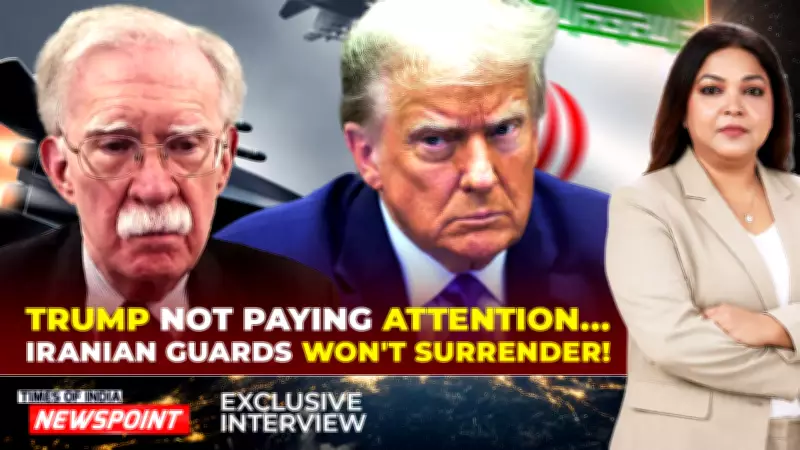
John Bolton Issues Stark Warning on Trump's Evolving Iran War Strategy
In a revealing and critical interview, former US National Security Advisor John Bolton has raised serious concerns about the strategic direction of the ongoing conflict with Iran. Bolton, known for his hawkish foreign policy views, suggests that President Donald Trump's shifting war objectives are creating significant uncertainty and could ultimately benefit the Iranian regime.
From Expansive Goals to Strategic Ambiguity
According to Bolton's analysis, the initial war aims appeared comprehensive and ambitious. These ranged from substantially degrading Iran's military infrastructure and capabilities to potentially facilitating regime change in Tehran. However, Bolton observes that over time, President Trump's public messaging and strategic approach have evolved in ways that blur the ultimate endgame.
The President has at times declared that victory is within reach or imminent, while simultaneously leaving the door open for either further military escalation or a return to diplomatic negotiations. This ambiguity, Bolton argues, is not merely a tactical feint but reflects a deeper uncertainty about what constitutes a definitive success in this complex conflict.

The Core Concern: A Surviving and Potentially Resurgent Iran
Bolton's primary alarm is not centered on the immediate battlefield performance. He does not claim that Iran is winning the war in a conventional sense. Instead, his focus is on the long-term strategic outcome. His central warning is that the Iranian regime, though currently 'wounded' by the conflict, is surviving the pressure.
This survival, coupled with what he perceives as inconsistent and shifting US goals, creates a dangerous window of opportunity for Tehran. The concern is that the regime could use this period to:
- Consolidate its internal political control and rally nationalist sentiment.
- Rebuild and adapt its military and asymmetric warfare capabilities.
- Strengthen alliances with other regional actors or global powers.
- Ultimately 'build back' in a more resilient and potentially more aggressive form.
In essence, Bolton fears that a conflict initiated with transformative aims might conclude without achieving a decisive, lasting alteration in the threat posed by the Iranian government. The interview underscores a classic strategic dilemma: whether a war of attrition without clear, fixed objectives can produce a stable and favorable peace, or if it risks merely pausing a confrontation that will reignite later under worse circumstances.
The former advisor's comments add to a growing debate about the coherence of US strategy in the Middle East, highlighting the risks of mid-conflict goalpost shifting in a high-stakes geopolitical standoff.