

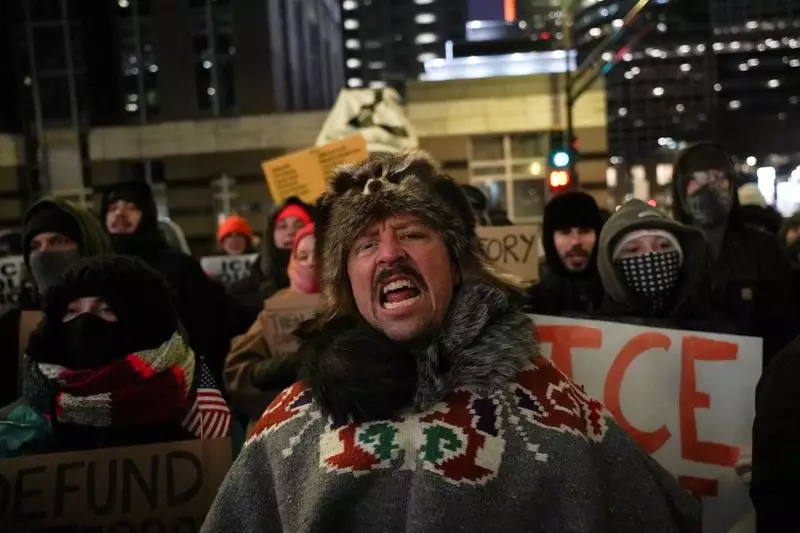
In a significant development for immigration enforcement operations in the United States, the Border Patrol chief stationed in Minneapolis is preparing to leave his post. This move comes as former President Donald Trump has announced the deployment of a new official to take charge of border security initiatives in the region, marking a notable shift in the approach to managing immigration and safeguarding national boundaries.
Leadership Transition in Minneapolis Border Patrol
The departure of the current Border Patrol chief from Minneapolis underscores a broader realignment within immigration enforcement agencies. The chief, who has been instrumental in overseeing border security measures and coordinating with local authorities, will be stepping down to make way for the incoming official appointed by Trump. This transition is expected to bring fresh perspectives and strategies to address the complex challenges of immigration control in the area.
Trump's Strategic Deployment of New Official
Former President Donald Trump's decision to deploy a new official to Minneapolis highlights his ongoing influence on immigration policy and border security matters. The newly appointed official is tasked with enhancing enforcement operations, implementing stricter protocols, and ensuring compliance with federal immigration laws. This move aligns with Trump's longstanding commitment to fortifying the nation's borders and curbing illegal immigration.

Implications for Immigration Enforcement and Border Security
The leadership change in Minneapolis is poised to have far-reaching implications for immigration enforcement and border security efforts. With the new official at the helm, there may be an increased focus on rigorous enforcement actions, improved coordination with other agencies, and the adoption of advanced technologies to monitor and secure the border. This shift could also impact local communities, as enforcement strategies may evolve to address emerging threats and vulnerabilities.
Reactions and Future Outlook
The announcement has sparked varied reactions from stakeholders, including immigration advocates, law enforcement officials, and political observers. While some view the change as a necessary step to strengthen border security, others express concerns about potential impacts on immigrant communities and civil liberties. Looking ahead, the deployment of the new official is likely to shape the trajectory of immigration enforcement in Minneapolis and beyond, as the nation continues to grapple with the complexities of border management and immigration reform.






