CIA's Covert Deception Campaign Enabled Daring US Military Rescue of F-15 Crew from Iran in 2026
A highly classified operation in 2026 saw a US military commando unit execute a daring rescue of a downed F-15 fighter jet crew from Iranian territory, with the success largely attributed to a sophisticated deception campaign orchestrated by the Central Intelligence Agency (CIA). This covert mission, which unfolded under intense geopolitical tensions, highlights the critical role of intelligence agencies in supporting military actions in hostile environments.
Background of the F-15 Incident and Rescue Operation
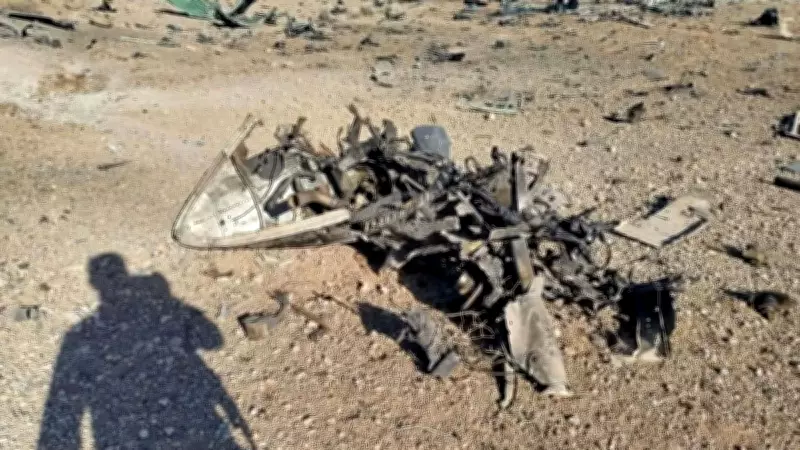
The crisis began when a US Air Force F-15 Eagle, engaged in routine patrols near the Iran border, experienced a catastrophic mechanical failure, forcing the pilot and weapons systems officer to eject over Iranian soil. Iranian forces quickly moved to secure the crash site and capture the crew, escalating fears of a diplomatic and military confrontation. In response, the US Department of Defense authorized an immediate rescue mission, deploying a specialized commando unit trained for high-risk extractions.
The CIA's Deception Campaign: A Key to Success
Central to the operation's success was a meticulously planned deception campaign led by the CIA. Intelligence operatives employed a range of tactics to mislead Iranian authorities, including the dissemination of false information about US military movements and the creation of diversionary incidents in other regions. This campaign effectively drew Iranian attention away from the actual rescue site, allowing the commando unit to infiltrate undetected.

The deception efforts involved:
- Electronic warfare measures to jam Iranian surveillance systems.
- Fabricated communications suggesting alternative US objectives.
- Coordinated distractions by allied forces to create confusion.
These actions not only facilitated the rescue but also minimized the risk of direct combat, showcasing the evolving nature of modern warfare where intelligence and subterfuge play pivotal roles.
Execution of the Rescue Mission by US Commandos
The commando unit, operating under the cover of darkness, utilized advanced stealth technology and rapid insertion techniques to reach the crew's location. Despite facing challenging terrain and heightened Iranian security, the team successfully extracted both crew members without casualties. The operation was executed with precision, reflecting extensive training and real-time intelligence support from the CIA.
Key aspects of the mission included:
- Seamless coordination between military and intelligence agencies.
- Use of unmanned aerial vehicles for reconnaissance and support.
- Swift evacuation via helicopter to a secure location outside Iran.
Geopolitical Implications and Aftermath
This incident has significant implications for US-Iran relations and global security dynamics. While the rescue was a tactical success, it has heightened tensions in the region, with Iranian officials condemning the operation as a violation of sovereignty. Analysts suggest that such covert actions could influence future diplomatic negotiations and military strategies, emphasizing the delicate balance between rescue missions and international law.
Moreover, the operation underscores the increasing reliance on integrated military-intelligence operations in addressing crises. As geopolitical conflicts evolve, the synergy between agencies like the CIA and US military units is likely to become more critical in safeguarding national interests and personnel in hostile territories.