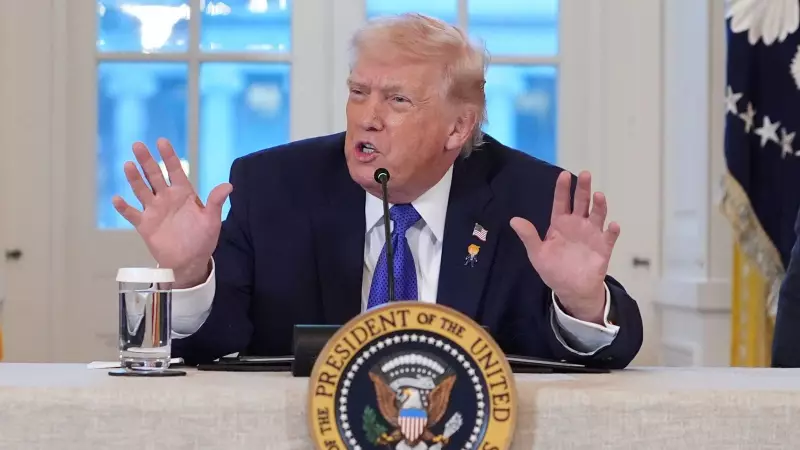
In a significant move aimed directly at American voters' wallets, former President and current Republican presidential candidate Donald Trump has pledged to impose a strict cap on credit card interest rates. He vowed to set a maximum limit of 10% if he wins the November election, framing it as a crucial step to address the soaring cost of living.
A Bold Pledge on the Campaign Trail
Donald Trump made this striking announcement during a campaign speech in Las Vegas, Nevada. He positioned the proposed cap as a direct response to the financial pain felt by millions of Americans struggling with high inflation and debt. The promise marks a notable departure from traditional Republican free-market orthodoxy, instead adopting a more interventionist stance on consumer finance.
"We're going to do a number, and we're going to cap interest rates at 10%," Trump declared to his supporters. He sharply criticized the current rates, which he claimed could be as high as 35%, labeling them "unacceptable" and a form of "usury." This rhetoric taps into deep-seated voter anxiety about economic affordability, a central theme in the 2024 presidential race.

The Current Landscape and Political Calculus
Trump's proposal targets an industry where the average annual percentage rate (APR) has climbed significantly, often exceeding 20% for many cardholders. The Federal Reserve's series of interest rate hikes to combat inflation has indirectly contributed to this rise. By promising a cap, Trump is attempting to draw a clear contrast with the Biden administration, which he blames for the inflationary environment.
This policy announcement is not happening in a vacuum. It comes at a time when economic issues are paramount for voters. Trump's campaign is strategically focusing on tangible financial relief measures to bolster his appeal. The credit card rate cap joins other recent pledges, such as eliminating taxes on tips for service workers, forming a cohesive message around putting more money back into the pockets of everyday Americans.
Potential Repercussions and Industry Backlash
While the promise is politically potent, it would face immense practical and legal hurdles. Implementing a nationwide cap on credit card interest rates would likely require congressional action, which could be difficult even with a friendly legislature. Furthermore, the banking and financial services industry would almost certainly mount a fierce opposition, arguing that such a cap would restrict credit access, especially for higher-risk borrowers, and disrupt the economics of card lending.
Financial analysts suggest that a drastic cap could lead banks to tighten lending standards, reduce credit limits, or increase annual fees to compensate for lost interest income. The proposal also raises questions about its interaction with state-level usury laws, potentially setting up a complex legal battle. Despite these challenges, the core political message is clear: Trump is aligning himself as a populist champion against powerful financial institutions.
As the 2024 US Presidential election campaign intensifies, such policy pledges are set to dominate the economic debate. Donald Trump's call for a 10% credit card rate cap is a bold, populist maneuver designed to resonate with cost-conscious voters. Whether it becomes law or not, it successfully frames the election as a choice on who can best deliver financial relief and tackle the affordability crisis gripping the nation.