

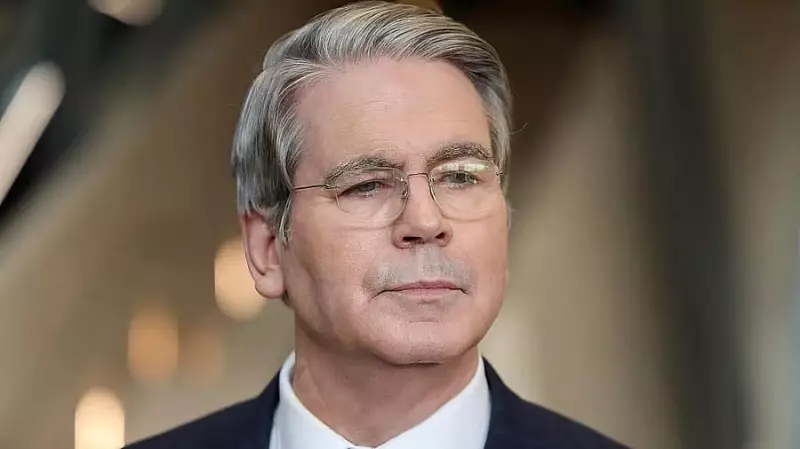
Europe Indirectly Funding Russia's War Through Indian Oil Imports: Scott Bessent
In a striking revelation, financial expert Scott Bessent has highlighted that Europe is effectively financing what he terms a "war" against itself by purchasing refined oil products from India. This situation arises because India imports significant quantities of crude oil from Russia, processes it, and then exports the refined products to European nations. Bessent's comments underscore a complex geopolitical and economic dynamic that has emerged in the wake of global tensions.
US Tariffs on India and Russian Oil Purchases
The Trump administration has taken a firm stance by imposing substantial tariffs on India. Specifically, a 50 per cent tariff has been levied, with a notable 25 per cent component directly targeting Delhi's purchases of Russian oil. This move is part of broader efforts to curb financial flows that could support Russia's military activities. The tariffs aim to pressure India to reduce its reliance on Russian energy sources, thereby indirectly affecting European supply chains.
Implications for Global Energy Markets
This development has significant implications for global energy markets and international relations:

- European Dependency: Europe's reliance on Indian refined products creates a loophole that allows Russian oil to enter European markets indirectly, potentially undermining sanctions and efforts to isolate Russia economically.
- Indian Economic Impact: The US tariffs could strain India's economy, affecting its trade balances and energy procurement strategies, while also testing diplomatic ties between the two nations.
- Geopolitical Tensions: The situation highlights the intricate web of global trade where actions in one region, such as US tariffs, have ripple effects across continents, influencing alliances and economic policies worldwide.
As this scenario unfolds, it raises critical questions about the effectiveness of economic measures in conflict zones and the need for coordinated international responses to address such challenges.






