Former British Diplomat Resigns from Labour Party Amid Epstein Controversy
A former British envoy has stepped down from the Labour Party, citing mounting pressure over newly disclosed links to the late financier Jeffrey Epstein. This resignation comes in the wake of a series of revelations that have sparked public outcry and political scrutiny.
Photo Scandal and Financial Payment Under Investigation
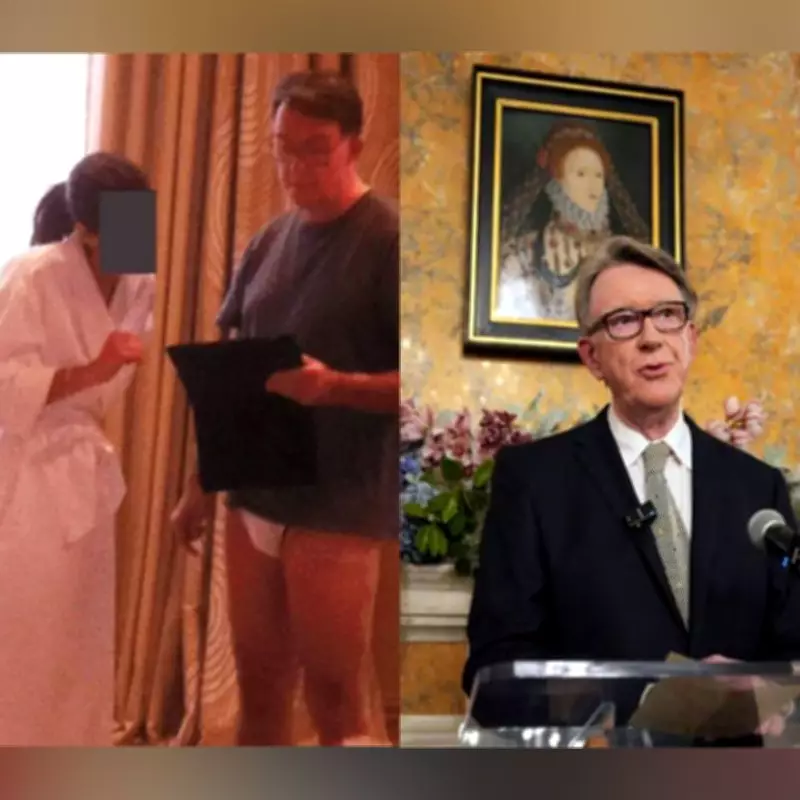
The controversy centers around a photograph showing the ex-envoy in underwear, which has circulated widely, raising questions about propriety and judgment. Additionally, a payment amounting to approximately Rs 68 lakh (or £68,000) is currently under investigation, with authorities probing its origins and purpose. This financial aspect adds a layer of complexity to the unfolding scandal.
New Epstein Connections Surface
Recent reports have brought to light fresh connections between the former diplomat and Jeffrey Epstein, the convicted sex offender who died in 2019. These links have intensified calls for transparency and accountability within political circles. The Labour Party, facing internal and external pressure, has been compelled to address these allegations swiftly.

Impact on Labour Party and Political Landscape
The resignation marks a significant blow to the Labour Party, which is already navigating a challenging political environment. It underscores the ongoing fallout from the Epstein case, which continues to implicate high-profile figures across various sectors. The party has issued a statement acknowledging the departure and emphasizing its commitment to ethical standards.
Public and Media Reaction
The story has garnered widespread media attention, with outlets highlighting the intertwining issues of the photo, payment, and Epstein associations. Public reaction has been mixed, with some calling for stricter vetting of political candidates, while others question the timing and motives behind the revelations.
Conclusion
As investigations proceed, the former envoy's exit from the Labour Party serves as a reminder of the persistent shadows cast by the Epstein scandal. It raises broader questions about integrity and oversight in political appointments, with potential implications for future diplomatic and party affairs.