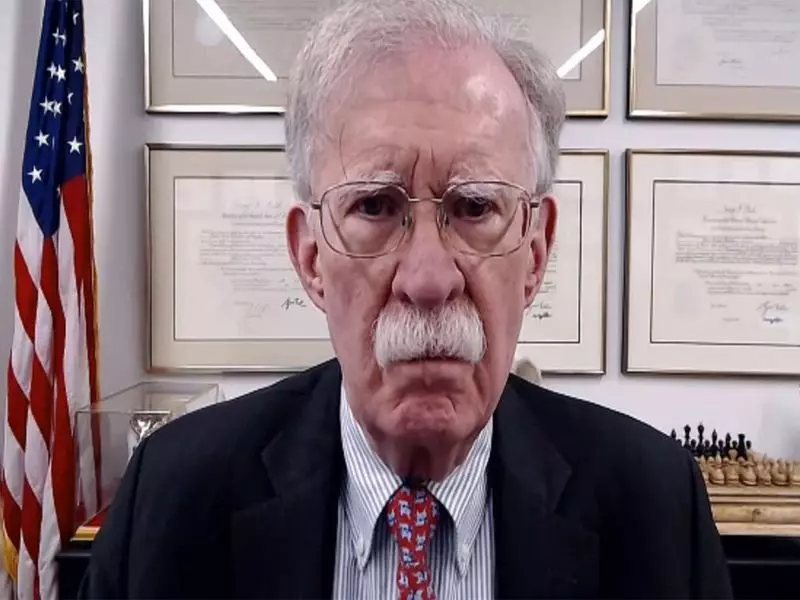
In a stark warning that could reshape the debate on American foreign policy, former US National Security Advisor John Bolton has publicly criticized Donald Trump's proposed approach to Venezuela. Bolton, a key figure in Trump's first term, argues that the presumptive Republican nominee's strategy is dangerously flawed and could create a catastrophic hybrid outcome.
Bolton's Critique: A Recipe for Disaster
John Bolton, known for his hawkish foreign policy stance, expressed his concerns in a recent interview. He focused on Trump's stated intention to offer Venezuelan dictator Nicolas Maduro a deal to step down in exchange for lifting US sanctions. Bolton believes this plan is naive and would backfire spectacularly. His core argument is that such a move would not lead to a democratic transition but would instead empower Maduro to solidify his grip under a veneer of legitimacy.
"You will get the worst of both possible worlds," Bolton asserted, highlighting the potential consequences. He explained that lifting sanctions without securing genuine democratic reforms would provide the Maduro regime with immediate economic relief. This influx of resources would then be used to further entrench the authoritarian government, crushing the opposition and eliminating any hope for free and fair elections in the foreseeable future.

The Dangers of a 'Legitimized' Dictatorship
Bolton's warning goes beyond immediate policy failure. He paints a picture of a long-term geopolitical blunder. By offering a deal that Maduro could manipulate, the United States would effectively be recognizing and legitimizing his brutal regime. This, Bolton fears, would send a chilling message to other authoritarian leaders worldwide, suggesting that they can weather US pressure and eventually secure concessions without meaningful change.
The former NSA also took aim at Trump's broader admiration for strongmen leaders. He connected the Venezuela proposal to what he sees as a disturbing pattern in Trump's thinking—a willingness to overlook human rights abuses and democratic backsliding in favour of personal diplomacy with dictators. This approach, Bolton insists, undermines decades of bipartisan US foreign policy aimed at promoting democracy and countering authoritarianism.
Context and Political Repercussions
This public rift is significant, coming from a former insider during a heated election year. Bolton's criticism is not just a policy disagreement; it is a direct challenge to Trump's competence in handling complex international crises. It provides ammunition for the Biden campaign and other critics who argue that a second Trump term would lead to chaotic and dangerous foreign policy decisions.
The situation in Venezuela remains dire, with a severe humanitarian crisis fueled by economic collapse and political repression. The US, along with many other nations, recognizes opposition leader Juan Guaido as the legitimate interim president. Trump's proposed pivot away from this maximum pressure strategy represents a fundamental shift that alarms foreign policy traditionalists like Bolton.
Bolton's intervention ensures that Venezuela will remain a topic of fierce debate as the US moves toward the November election. It forces voters to consider the tangible impacts of diplomatic strategies on global stability and the lives of millions under oppressive regimes. His analysis suggests that the path to resolving the Venezuela crisis requires sustained, principled pressure, not quick deals that sacrifice long-term goals for short-term headlines.
Ultimately, this episode highlights the deep divisions within the Republican Party on foreign affairs and sets the stage for a broader discussion on America's role in the world. As Bolton frames it, the choice is between a strategy that naively empowers dictators and one that steadfastly supports the cause of democratic freedom, however difficult the path may be.