Frisco City Council Meeting Erupts Over Indian-American Demographic Growth
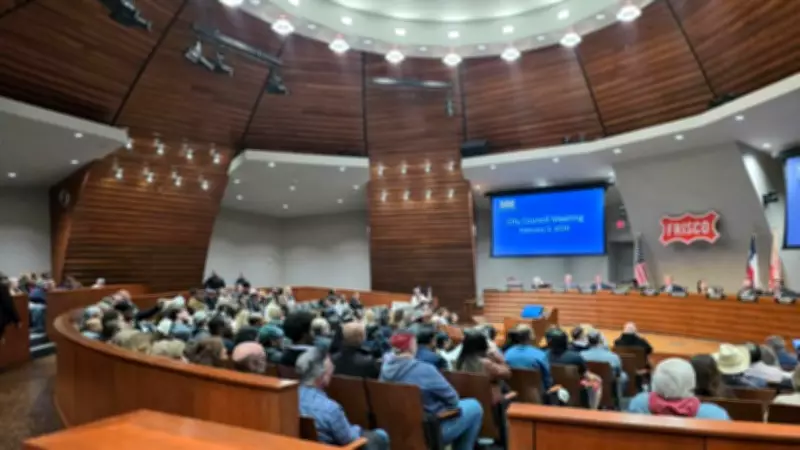
A routine city council meeting in Frisco, Texas, transformed into a heated battleground this week, with the central issue being the rapidly changing demography of the city. The focal point of the discussion was the significant growth in the Indian-American population, which has sparked intense debate among residents and outsiders alike.
Timing Amid State-Level H-1B Actions
The timing of this contentious meeting was particularly critical, occurring just days after Texas Governor Greg Abbott announced a freeze on H-1B hiring across state agencies and universities. Additionally, the Texas Attorney General revealed a probe into three H-1B visa firms, adding fuel to the already simmering tensions.
In the lead-up to the council session, MAGA influencers actively rallied Frisco residents on social media platforms, urging them to attend and voice concerns about what they described as an 'Indian takeover' of their neighborhoods. Reports indicate that a notable number of attendees were not even residents of Frisco, raising questions about the authenticity of local opposition.

Social Media Storm and Community Backlash
Following the conclusion of the meeting, Frisco community social media channels were inundated with messages, many of which targeted the Indian community. Under mounting pressure, some individuals reportedly deleted their posts. Local leaders were quick to condemn this targeting, emphasizing the need for unity and respect.
John Keating, a candidate running for Frisco mayor, issued a bold and unequivocal statement assuring protection for the Indian community. In a powerful message shared on Instagram, Keating wrote, "Targeting members of our Indian community, or any community, is wrong, and it has no place in Frisco. Many of the individuals making these remarks were not residents; they came to divide, not to unite."
He continued, "To our Indian community, you are home in Frisco. You belong here. Your presence, your contributions, and your culture make our city stronger. You are valued, respected, and deeply appreciated." Keating, a veteran, added, "I heard comments that were deeply hurtful and completely unacceptable. As a veteran, I know the importance of standing up for what is right and defending the dignity of every person who lives here."
Backlash and Counter-Arguments
Despite Keating's supportive stance, his post attracted significant hate and criticism. Commenters questioned why Indian-Americans constitute approximately 33% of Frisco's population, with some alleging broader political corruption. Marc Palasciano, who spoke at the city council meeting, commented, "I find it more hurtful that City Council members are supporting tyrannical corporations violating the United States Constitution but I guess that’s normal for all of you corrupted politicians. I’m not a resident of Frisco but I worked at the largest private sector employer for Frisco and have every right to speak at your city. Your donations are next bud."
This incident highlights the complex interplay between local governance, immigration policies, and community dynamics in rapidly diversifying American cities. The debate in Frisco reflects broader national conversations about demographic shifts, cultural integration, and the role of political rhetoric in shaping public discourse.